

4 Tech Brands Bringing Back The Old-School Flip Phone
When smartphones hit shelves almost two decades ago, few could have predicted flip phones would ever see a renaissance. However, young people have been embracing old school phones and various other forms of "retro" tech in recent years. Theories explaining this trend abound. Perhaps a generation that's grown up constantly connected is best equipped to recognize the potential dangers of modern tech, and is turning to simpler solutions accordingly. Maybe this is just a case of young folks ironically adopting the devices of older generations. Regardless, tech companies have taken note of the increased demand for flip phones, introducing models inspired by the cell phones that reigned supreme before the age of the smartphone.
Key Facts
- Nokia 2720 Flip: A retro-style clamshell phone with two screens, physical buttons, preloaded social apps, and optional additional downloads. It has won the iF Design Award for its durable, nostalgic design.
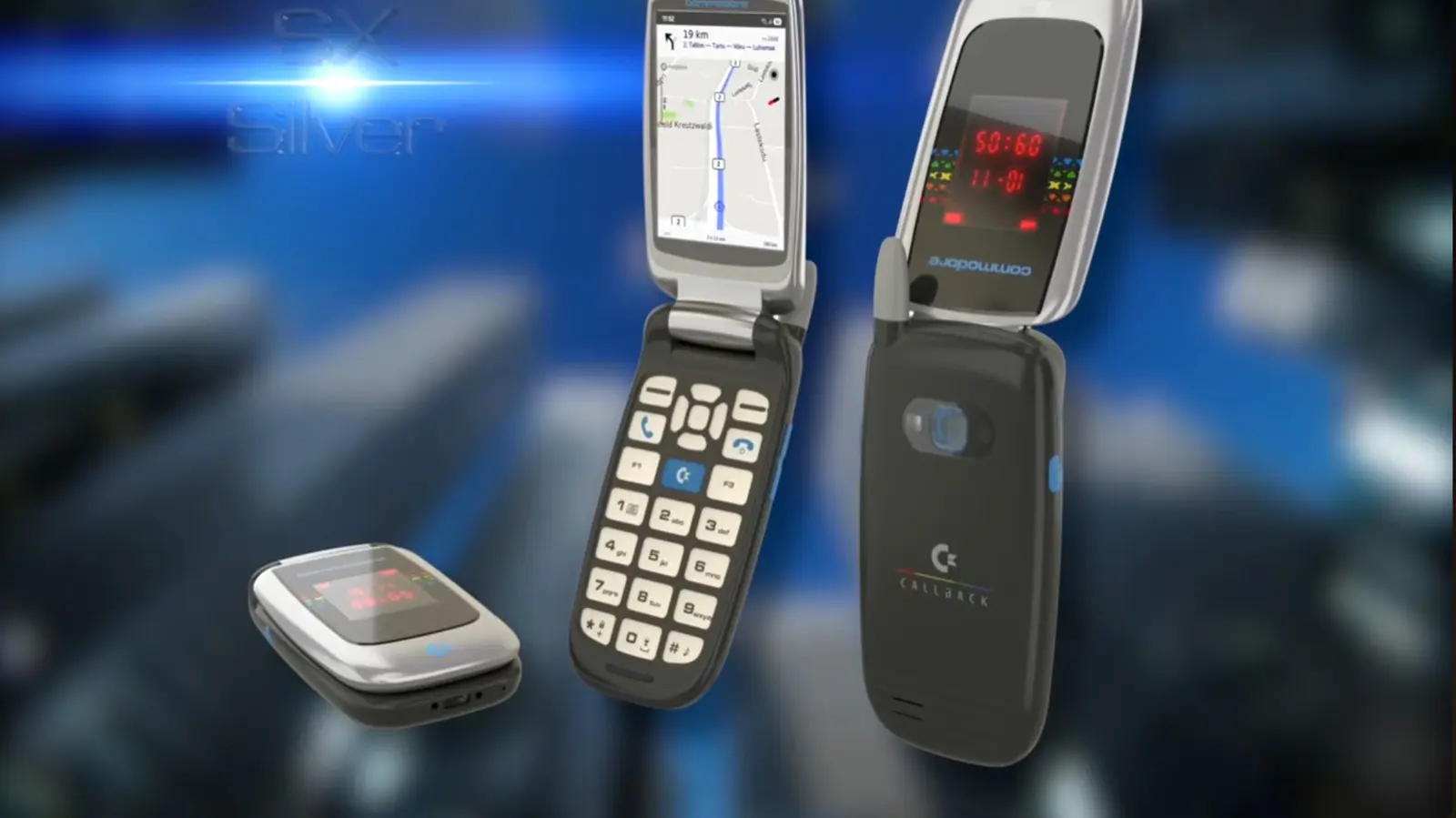
- Commodore Callback: A flip phone that blocks social media apps and web browsers, but still supports WhatsApp, Telegram, HD audio playback, and a modern camera.
- Light Flip: An ethical, minimalist flip phone with no internet or social apps. It offers music playback, predictive text, navigation, weather, and other useful tools.
- Sonim XP3plus: A rugged flip phone built for durability, with resistance to chemicals, drops, impacts, water, puncture, and pressure. A special no-camera model is available for government workers and others in sensitive roles.
The Nokia 2720 Flip blends classic design with some modern touches
Our first example of a mainstream phone brand releasing a retro slip-style device demonstrates how some companies are responding to demand for less intrusive phones while still preserving some modern capabilities and functionality. Nokia's 2720 Flip features two screens. An outer screen lets a user know who's contacting them when they receive a call or text. Users can flip the phone open to access a larger interior screen that provides access to expanded features.
Technically, the device already comes preloaded with Facebook and other social apps. It also still gives users the option of downloading some additional apps. As such, it's not exactly a purist's version of a classic flip phone. However, it does boast real buttons instead of a touch screen, as well as durable design that will instantly trigger a spark of nostalgia in anyone who remembers the cell phones of a couple decades ago. Rather than being a gimmick, the phone's design has actually earned it the prestigious iF Design Award.
These types of flip phones may strike the ideal balance for today's users. To a reasonably significant degree, this device matches the look and functionality of a classic flip phone. It also accounts for the habits of the modern user, allowing them to access basic social apps and games to a greater extent than they could have with a real flip phone from 2006.
Nokia has a long history with flip phones, dating back to the early 2000s when models like the Nokia 7200 and Nokia N90 featured distinctive clamshell designs. The 2720 Flip revives that heritage with a modern twist. It runs on a simplified operating system that is intentionally limited compared to full smartphones, making it easier for users who want fewer distractions. The outer display can show notifications, time, and battery status without requiring the user to flip open the device. Meanwhile, the internal display is bright and clear enough for basic navigation, calls, messaging, and lightweight apps.
For many buyers, the appeal of the Nokia 2720 Flip lies in its ability to provide a sense of digital minimalism without completely abandoning the conveniences of modern life. It supports 4G connectivity, which means calls and texts work reliably. It also includes an emergency button that can be programmed to contact family or services in case of an accident, adding a layer of safety that older flip phones could not offer. This makes it a popular choice for parents looking to give their children a first phone, as well as for adults who want to reduce their screen time.
Critics might argue that including Facebook and other social apps undermines the retro experience. However, the apps are deliberately stripped-down versions that are less immersive than their smartphone counterparts. The goal is to allow users to stay in touch without falling into endless scrolling. This measured approach is part of why the design has been recognized with industry awards. The phone proves that a minimalist device can still look attractive and function well, appealing to both nostalgic older users and younger generations exploring retro tech.
The Commodore Callback is a flip phone for those who prefer to avoid doomscrolling
Not everyone in the market for a retro device will find the Nokia 2720 Flip appealing. While some users may appreciate being able to enjoy the simplicity of a flip phone without having to sacrifice social media access, others may specifically be looking for devices that guard against doomscrolling. The upcoming Commodore Callback may be exactly what such users want. Like Nokia's model, its design mirrors that of a pre-smartphone mobile device. Yet unlike the Nokia flip phone, the Commodore Callback doesn't allow users to access social media apps or a web browser via the phone.
Commodore advertises the device as the perfect middle ground between smartphones and "dumb" phones. A smartphone promotes a degree of tech engagement that many are starting to view as unhealthy. However, a truly retro phone wouldn't let users take impressive photos or use messaging apps, limiting its value. The Commodore Callback aims to deliver the modern features that most users likely still want while doing away with the features that may not be ideal for mental health. For example, with the Callback, a user can still send messages via apps like WhatsApp and Telegram, but they can't open Instagram or TikTok for mindless scrolling.
The Callback can also play music. While there are a few nostalgic items on the market for audiophiles who miss dedicated mobile MP3 players, not everyone looking for a classic flip phone will also be yearning for the days of the iPod and Zune. Because of this, the capacity to play HD audio is a smartphone-era feature this retro device still offers. The inclusion of a high-quality camera further distinguishes it from old-school flip phones, allowing users to capture sharp photos without relying on a full smartphone.
Commodore is perhaps best known for its role in the home computer revolution of the 1980s, but the brand has recently pivoted toward modern retro-inspired gadgets. The Callback is part of a broader effort to provide consumers with more mindful technology choices. The company has said that its target audience includes people who feel overwhelmed by constant notifications and algorithmic feeds. By limiting the device to essential communication tools, Commodore hopes to help users reclaim their attention and spend more time on real-world interactions.
The phone's interface is intentionally simple. It uses a basic operating system that is fast and responsive, with no app store that encourages endless downloads. Instead, users get a shortlist of useful tools: messaging, calls, music, camera, calendar, calculator, and a few others. This curated approach means the phone does not feel like a stripped-down smartphone, but rather a purpose-built communication device. It is designed for people who want to stay reachable without being constantly available to the internet.
Early reactions to the Commodore Callback have been positive, especially among those who have tried digital detoxes or switched to minimalist phones in the past. Reviewers have praised its build quality, comfortable keypad, and clear display. Some have noted that it lacks turn-by-turn navigation or mobile payments, which might be a dealbreaker for certain users. But for the growing community of people seeking to reduce screen time, these missing features are often seen as benefits rather than drawbacks.
The Light Flip aims to offer an ethical phone
The Light Flip is an alternative to the Commodore Callback. Like the Callback, it leverages what users may consider truly valuable about modern tech, offering various features that true flip phones of the past couldn't offer. These include music playback functionality, predictive text, navigation tools, a weather app, and other such features that wouldn't have been available on the phones of two decades ago. Otherwise, it's another flip phone that keeps users off the internet and social apps.
Light promotes the device as an answer to the increasingly AI-oriented focus of major tech giants. While tech companies appear to be rushing into the AI era with a speed that can only be described by some users as "tone deaf," companies like Light claim their goal is to give users their free time back and without the ethical dilemmas surrounding supporting AI tools. Ideally, a device like the Light Flip will let users stay connected without making them feel addicted.
Features-wise, it's fairly similar to the Commodore Callback. Design-wise, it offers a slightly more minimalist, modern style. This difference may appeal to users who prefer visual simplicity. The Light Flip's exterior is sleek and unassuming, with a clean front screen and a matte finish that resists fingerprints. The interior screen is bright and easy to read, and the keypad is well-spaced for comfortable typing. The overall aesthetic is closer to a contemporary gadget than a nostalgic throwback, which could attract younger buyers who want a simpler phone without the bulky look of early clamshells.
The company behind the Light Flip, The Light Phone Inc., has established itself in the minimalist phone space with previous products like the Light Phone II. That device was designed to be an intentionally simple phone that encourages users to spend less time staring at screens. The Light Flip builds on that philosophy but adds the familiar flip form factor, which some users find more satisfying and tactile. Flipping the phone open to answer a call or close it to end a conversation creates a physical ritual that a slab smartphone cannot replicate.
Light has also highlighted the environmental and ethical angle of the device. By avoiding AI services and data-hungry apps, the phone reduces the amount of personal data collected and the energy consumed by constant background processing. For consumers who are concerned about privacy and the social impact of Big Tech, this makes the Light Flip an appealing choice. The company has stated that it does not sell user data and has no advertising business model, which sets it apart from the platforms that dominate the smartphone ecosystem.
The Light Flip supports a range of practical tools like weather forecasts, navigation directions, voice memos, and a basic music player. It also includes predictive text, making it easier to type messages without a full keyboard. However, it deliberately excludes web browsers, social media apps, and video streaming services. This allows users to enjoy the convenience of a connected device while protecting their mental space from the constant pull of viral content.
The Sonim XP3plus is built for durability
The Sonim XP3plus earns a spot on this list because it highlights a potential market for flip phones that's easy to overlook if you're an average consumer. While plenty may long for the basic connectivity a classic flip phone offers, their work might also require them to carry a reliable device that can withstand wear-and-tear. The Sonim XP3plus is a prime example of a flip phone designed specifically for such users. It's resistant to various chemicals, designed to withstand drops and impacts, waterproof, and both puncture-resistant and pressure-resistant. There's even a model without a camera for certain government workers and others whose jobs, due to their sensitive natures, don't allow them to have cameras on hand at job sites.
Sonim has built a reputation over the years for producing ultra-rugged phones that meet strict military and industrial standards. The XP3plus continues that tradition, with a hardened exterior, reinforced hinges, and a sealed design that keeps out dust and water. It can survive drops from significant heights, and it is rated IP68 for water immersion, which means it can be submerged in fresh water for extended periods without damage. It also meets standards for heat, shock, and vibration resistance, making it a dependable tool for construction workers, warehouse personnel, emergency responders, and outdoor enthusiasts.
The phone's basic functionality is intentionally straightforward. It supports calls, text messaging, push-to-talk services, and a few essential applications. The camera model allows users to document their work or surroundings, while the no-camera model ensures security in sensitive areas such as military facilities, research labs, or certain government offices. The battery life is also impressive, lasting for days on a single charge even with heavy usage. This reduces the need for frequent charging and ensures that workers can stay connected during long shifts.
What makes the Sonim XP3plus particularly interesting in the context of the flip phone revival is that it proves these devices can serve practical, professional purposes rather than just nostalgia. The clamshell form factor actually provides an advantage in harsh environments because it protects both the keypad and the screen when closed. The physical buttons can be used with gloves, and the external display allows users to read notifications without exposing the full screen to potential damage. These features are difficult to replicate on a slab-style smartphone, giving the flip phone a genuine edge in blue-collar and field work settings.
As tech historians have noted, flip phones originally became popular in the late 1990s and early 2000s because they offered a compact form factor and protected the keypad. The Sonim XP3plus adapts that concept for the demands of modern industry, adding ruggedness, long battery life, and compatibility with modern network bands such as 4G LTE. For many users, this is the most important kind of flip phone comeback: one that prioritizes function over fashion.
Again, it's far too early to know whether flip phones will make a real comeback, or whether this is just a passing trend. In the meantime, it's undeniably beneficial that consumers at least have options now. Some may never want to give up the convenience of a smartphone. However, for those who believe that constantly being able to scroll social apps and the web is ultimately harmful, these devices offer attractive alternatives. The Nokia 2720 Flip balances old-school charm with modern apps, the Commodore Callback blocks social media while keeping messaging tools, the Light Flip offers an ethical and minimalist experience, and the Sonim XP3plus delivers rugged reliability for professional use. Together, they show that the flip phone is no longer just a relic of the past but a versatile solution for a wide range of contemporary needs."
Source:SlashGear News