

Amazon captivated the debt markets on Tuesday, attracting approximately $126 billion (£94bn) in peak demand for its bond sale, according to reports. This figure ranks among the largest ever for a corporate offering, underscoring the continued robust appetite for debt from major technology companies even amid broader economic uncertainties. The e-commerce and cloud computing giant is looking to raise fresh capital to fuel its aggressive investments in artificial intelligence (AI) and related infrastructure.
The bond sale, which includes as many as 11 tranches on the US high-grade market with maturities ranging from two to 50 years, is also being complemented by an eight-part euro-denominated offering this week. This dual-currency approach allows Amazon to tap into global investor pools, maximizing flexibility and potentially lowering borrowing costs. The strong demand signals that investors remain confident in Amazon's long-term growth prospects, particularly its dominance in cloud computing through Amazon Web Services (AWS) and its push into generative AI.
The Scale of AI Spending
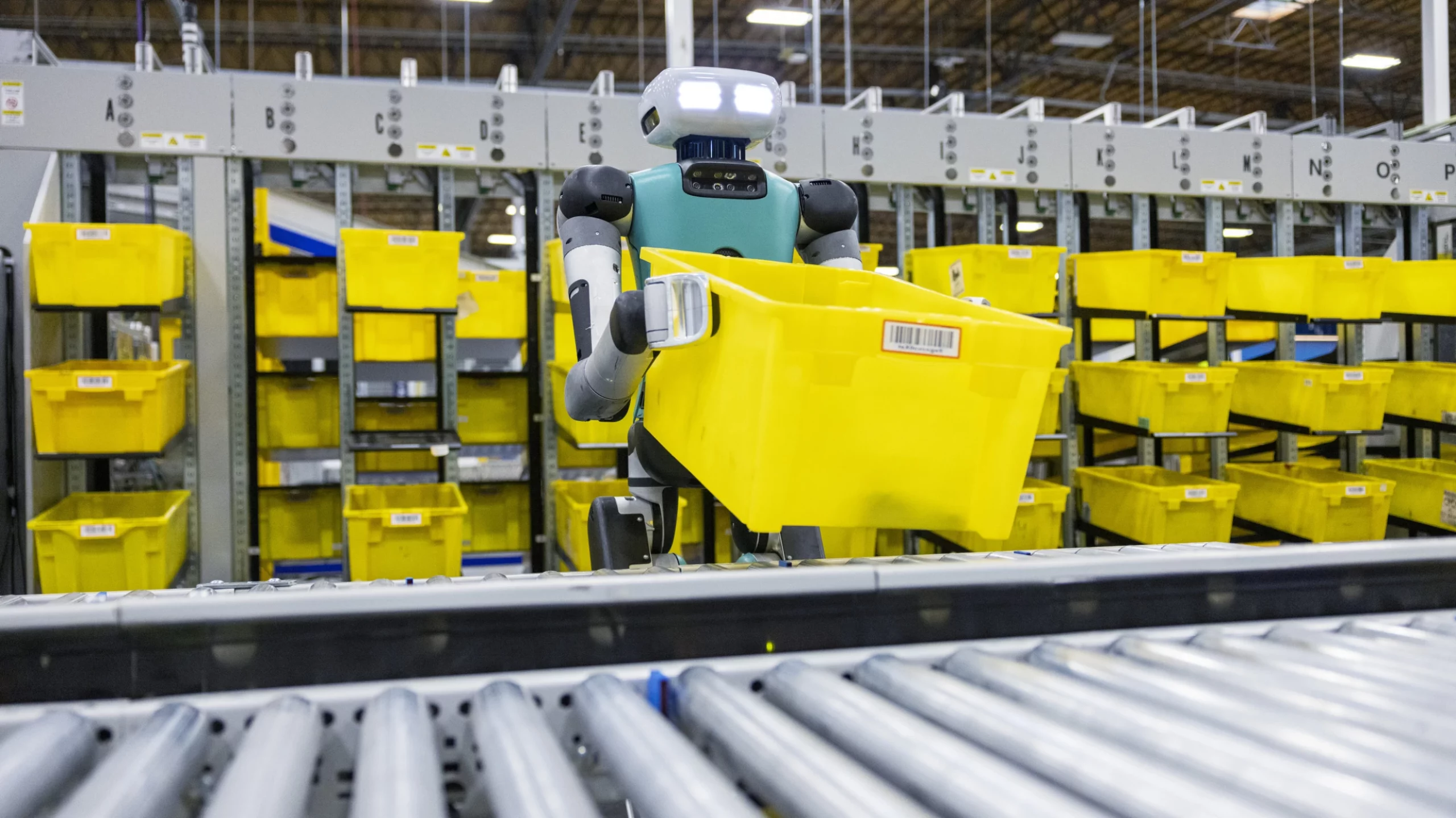
Amazon's latest debt issuance comes on the heels of a $15 billion bond sale in November 2023, its first in the US market in three years. The company's capital expenditure plans have swelled dramatically, with CEO Andy Jassy announcing in February that the company would spend $200 billion on capital expenditures this year, with the lion's share directed toward AI infrastructure. This figure dramatically exceeds the spending plans of rivals Google and Microsoft, both of which have also ramped up their AI investments. Amazon's commitment includes custom AI chips (Trainium and Inferentia), robotics for warehouse automation, and low Earth orbit satellites through Project Kuiper to expand internet connectivity.
Investors, however, have shown increasing scrutiny over the returns from these massive AI outlays. Amazon's stock fell in February after the capex announcement, reflecting concerns about the timeline for profitability. Jassy defended the spending on an investor call, stating, “We’re going to invest to be the leader in this space,” emphasizing that the company sees AI as a transformational opportunity across its entire business, from AWS to retail and advertising.
Comparisons with Peers
The bond sale is not an isolated event. Oracle drew $129 billion in orders for a bond sale in February, while Meta (formerly Facebook) attracted $125 billion for its bond sale in October. These figures highlight a trend: major tech firms are turning to debt markets to finance their AI data center buildouts, rather than relying solely on cash reserves or equity offerings. The low interest rate environment of the past decade has largely given way to higher rates, but demand for high-quality corporate bonds remains strong, especially from institutional investors seeking safe-haven assets.
Google parent Alphabet raised more than $30 billion in issuance across dollar, sterling, and Swiss franc denominated debt just last month. This wave of debt financing is partly driven by the need to build out the physical infrastructure required for AI, including data centers, specialized chips, and networking equipment. Amazon, with its vast logistics network and cloud leadership, is uniquely positioned to scale these investments, but the costs are enormous. The company's total debt, including finance leases, stood at over $60 billion at the end of 2024, and this new issuance will likely push that figure higher.
Details of the Bond Offering
The 11-tranche structure of Amazon's US offering includes maturities of 2, 3, 5, 7, 10, 20, 30, and 50 years, according to sources familiar with the matter. The longer-dated tranches are expected to carry higher yields, appealing to pension funds and insurance companies that require long-term assets. The euro-denominated portion, meanwhile, will help Amazon diversify its investor base and reduce exposure to US dollar fluctuations.
Proceeds from the bond sale will be used for general corporate purposes, which typically includes capital expenditures, acquisitions, and debt refinancing. Given the explicit focus on AI investments, a significant portion will likely fund the construction of new data centers and the acquisition of advanced hardware. Amazon has been expanding its global data center footprint, with recent announcements of new regions in Malaysia, Mexico, and Saudi Arabia. Each region requires billions in upfront investment.
Market Context and Economic Uncertainty
The strong demand for Amazon's bonds comes against a backdrop of economic turbulence, including persistent inflation, geopolitical tensions, and uncertainty over interest rate trajectories. Investors are seeking high-quality assets that offer relatively attractive yields compared to government bonds. Amazon's credit rating is strong (AA- from S&P and A1 from Moody's), reflecting its dominant market positions and robust cash flow generation. This allows the company to borrow at competitive rates, even as the Federal Reserve maintains elevated benchmark rates.
The bond market has seen a flurry of activity from technology companies in 2024 and early 2025, as they lock in financing ahead of potential rate cuts. However, the sheer size of Amazon's offering—potentially in the range of $10-15 billion based on prior issuances—demonstrates the scale of capital required for the AI arms race. Amazon's total capex for 2025 is projected to be among the largest in corporate history, easily surpassing that of oil majors and traditional industrials.
Strategic Rationale
Amazon's debt strategy is not just about raising cash; it's also about financial engineering. By issuing long-term debt with fixed interest rates, the company can lock in predictable financing costs while preserving its cash reserves for operational needs and strategic acquisitions. The euro-denominated tranche also allows Amazon to hedge against currency risks, given its extensive international operations.
Moreover, the bond sale sends a signal to the market that Amazon is confident in its ability to generate future returns from AI investments. The company has already begun monetizing its AI capabilities through AWS's Bedrock and SageMaker services, as well as through integration into its retail and advertising businesses. Analysts estimate that AI could contribute tens of billions of dollars in additional revenue by 2030, but near-term profitability remains elusive. The bond market's response suggests that investors are willing to bet on Amazon's long-term vision, even if short-term returns are uncertain.
In summary, Amazon's massive bond sale reflects both the immense capital requirements of the AI revolution and the continued faith of debt investors in the company's future. As the AI race intensifies, these debt-financed investments will likely define the competitive landscape for years to come.
Source:Silicon UK News