

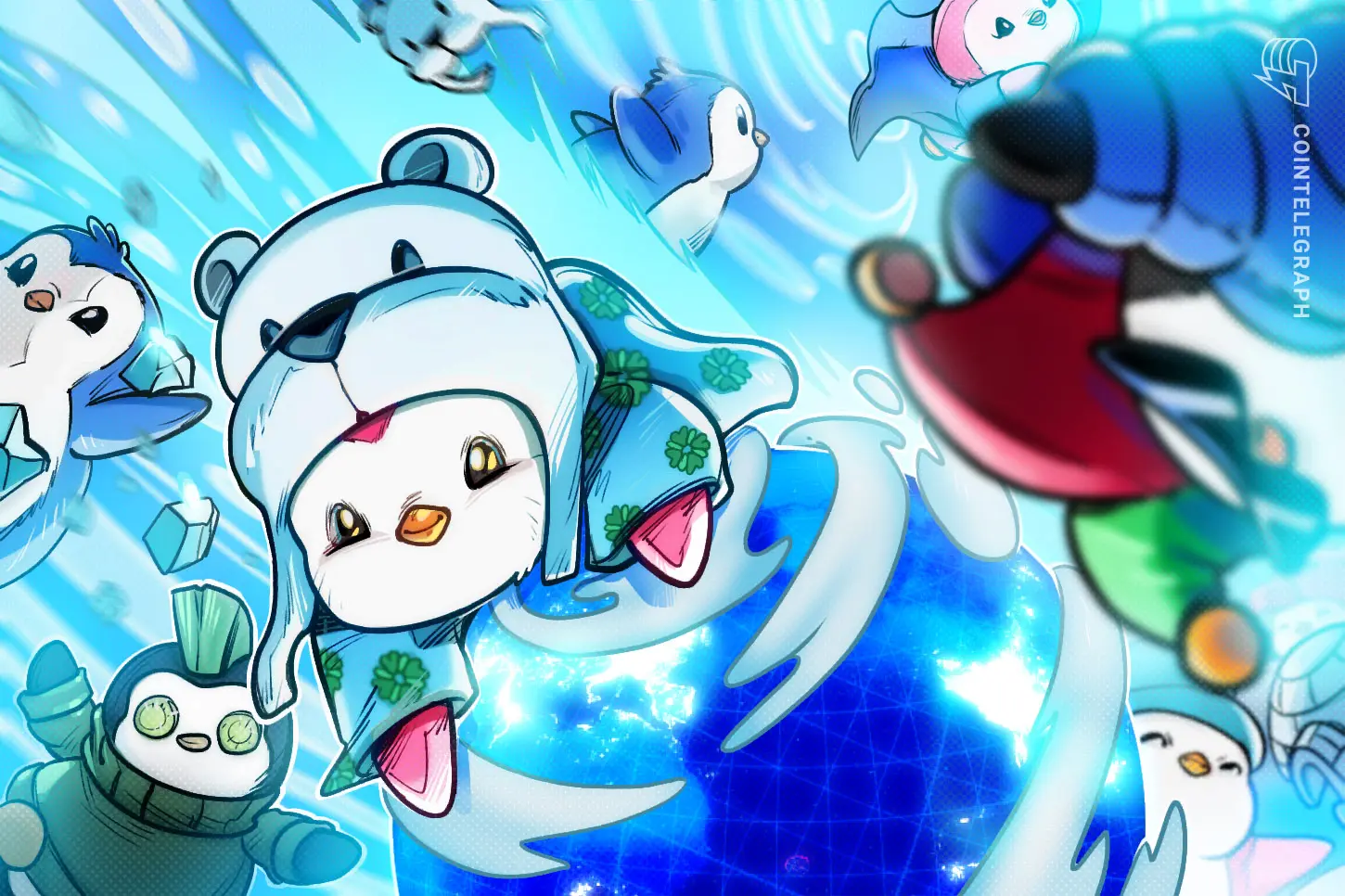
Non-fungible token (NFT) project Pudgy Penguins has significantly expanded its retail reach by launching its Vibes Series 3 trading cards at Target stores nationwide in the United States. This move marks the largest retail expansion for the trading card game to date, bringing the total number of cards circulated to 15 million. The new series introduces additional gameplay mechanics, original artwork, and includes appearances by characters from the Moonbirds collection.
Pudgy Penguins developed the Vibes trading card game in partnership with Orange Cap Games, with Series 3 following two earlier releases. The digital collectible project is currently the fourth-largest NFT collection by market capitalization, according to data tracker NFT Price Floor. This expansion into physical retail demonstrates how the project is leveraging its digital intellectual property to capture mainstream consumer attention.
Building a broader entertainment franchise
Pudgy Penguins has spent years transforming its Ethereum-based NFT collection into a recognizable consumer brand, with ventures spanning toys, licensing, and other physical products. The project's physical toys first entered more than 2,000 Walmart stores in 2023, and CEO Luca Netz stated in May 2024 that more than 1 million toys had been sold over the preceding 12 months. The licensing model also allows NFT holders to receive 5% of net revenue from physical products featuring their individual penguins.
The franchise has also expanded into gaming. In 2025, Pudgy Penguins launched Pengu Clash, a game on The Open Network (TON). Netz described gaming as a vehicle for bringing the project's intellectual property to wider audiences. Additionally, the project launched a mobile game called Pudgy Party in August 2025, which exceeded 1 million downloads. However, in a recent announcement, Pudgy Penguins said it would halt further development of Pudgy Party and focus resources on a browser-based game called Pudgy World.
The rise of NFT-born brands in physical retail
The expansion of Pudgy Penguins into brick-and-mortar stores like Target and Walmart highlights a broader trend among NFT projects seeking to bridge the gap between digital collectibles and tangible consumer products. By turning digital assets into physical trading cards, toys, and games, these projects aim to establish lasting franchises that appeal to both crypto enthusiasts and mainstream shoppers.
The Vibes trading card game itself has evolved with each series. Series 1 and 2 laid the foundation with basic gameplay and collectible cards, but Series 3 introduces more complex mechanics, including special abilities and character synergies. The inclusion of Moonbirds characters is a notable crossover, as Moonbirds is another prominent NFT collection, suggesting potential for inter-project collaborations in the physical space.
Target's decision to carry the cards reflects growing acceptance of blockchain-derived products in major retail chains. Target operates over 1,900 stores in the US, making the partnership a significant milestone for the project's retail penetration. The cards will be available in the trading card section alongside traditional brands like Pokémon, Magic: The Gathering, and sports cards.
How the project evolved from NFTs to consumer goods
Pudgy Penguins launched as an NFT collection in 2021, featuring 8,888 unique cartoon penguins on the Ethereum blockchain. The project quickly gained a following due to its cute aesthetic and community-driven approach. Over time, the team behind Pudgy Penguins, led by CEO Luca Netz, focused on building a sustainable brand that extended beyond the volatility of the crypto market.
The toys, which include plush figures and collectible figurines, became a gateway for younger audiences to engage with the brand. By entering Walmart in 2023, Pudgy Penguins became one of the first NFT projects to achieve broad distribution in a major US retailer. The licensing model further incentivized NFT holders to promote the physical products, as they receive royalties on sales of items featuring their specific penguin.
The trading card game represents the next logical step in this strategy. Cards are inexpensive to produce and have a long history in retail, making them an ideal medium for introducing blockchain-backed characters to a mass audience. Each card in the Vibes series features artwork that can be tied back to the original NFT traits, creating a bridge between digital ownership and physical collectibility.
Gaming as a growth driver
Gaming has become a central pillar of Pudgy Penguins' expansion plan. The launch of Pengu Clash on TON brought the penguins to a mobile gaming audience, while Pudgy Party aimed to offer a party game experience similar to Fall Guys. Although Pudgy Party development has been halted, the team's pivot to Pudgy World indicates a focus on browser-based gaming that can reach even wider audiences without requiring app store downloads.
The gaming initiatives also serve as marketing tools, exposing new users to the Pudgy Penguins brand and potentially converting them into NFT collectors or physical product buyers. This cross-promotion strategy is common in entertainment franchises, but it is relatively novel for projects that originated purely as digital assets.
The overall market for NFT-based games remains volatile, with many projects struggling to maintain player bases. However, Pudgy Penguins' approach of combining multiple revenue streams—NFTs, toys, trading cards, and games—provides some resilience against market fluctuations.
Market context and industry implications
The expansion comes at a time when the broader NFT market has cooled from its peak in 2021-2022. Many collections have seen floor prices drop significantly, and trading volumes have decreased. However, projects with strong brands and community support, like Pudgy Penguins, have continued to develop physical products to capture value beyond the digital market.
Other NFT projects, such as Bored Ape Yacht Club and CryptoPunks, have also explored physical merchandise and collaborations, but few have achieved the retail penetration of Pudgy Penguins. The project's success in entering Walmart and now Target suggests that the fusion of digital collectibles and physical retail is viable when executed with a strong brand identity and distribution partnerships.
The trading card market itself is experiencing a resurgence. Sales of trading cards across sports and entertainment categories reached multi-billion dollar levels in recent years, driven by nostalgia and collector interest. By entering this space, Pudgy Penguins positions itself to capture a share of that market while also promoting its digital ecosystem.
The partnership with Orange Cap Games, which specializes in creating physical card games from digital IP, ensures that the gameplay is engaging and the card production meets retail standards. The inclusion of Moonbirds characters also hints at future collaborations that could create a universe of NFT characters in physical form.
What this means for the future of NFT brands
As more NFT projects seek sustainability, the Pudgy Penguins model of expanding into physical retail, gaming, and licensing provides a blueprint. The requirement for substantial capital and business development expertise may limit the number of projects that can follow this path, but those that succeed could become lasting entertainment franchises.
For consumer, the presence of NFT-derived products on store shelves normalizes the concept of digital ownership. A child buying a Pudgy Penguins trading card at Target may later become interested in the underlying blockchain technology, creating a pipeline of new users for the ecosystem.
The decision to halt Pudgy Party development in favor of Pudgy World also demonstrates the project's agile approach to resource allocation. By focusing on a browser-based game that doesn't require app store approvals and can be updated continuously, the team aims to maximize engagement without the friction of mobile app distribution.
In summary, Pudgy Penguins' expansion with Target trading cards is a strategic move that reinforces its position as a leading NFT-to-retail brand. With 15 million cards distributed, a growing gaming ecosystem, and a strong licensing model, the project is building a foundation for long-term growth beyond the crypto world.
Source:Cointelegraph News