

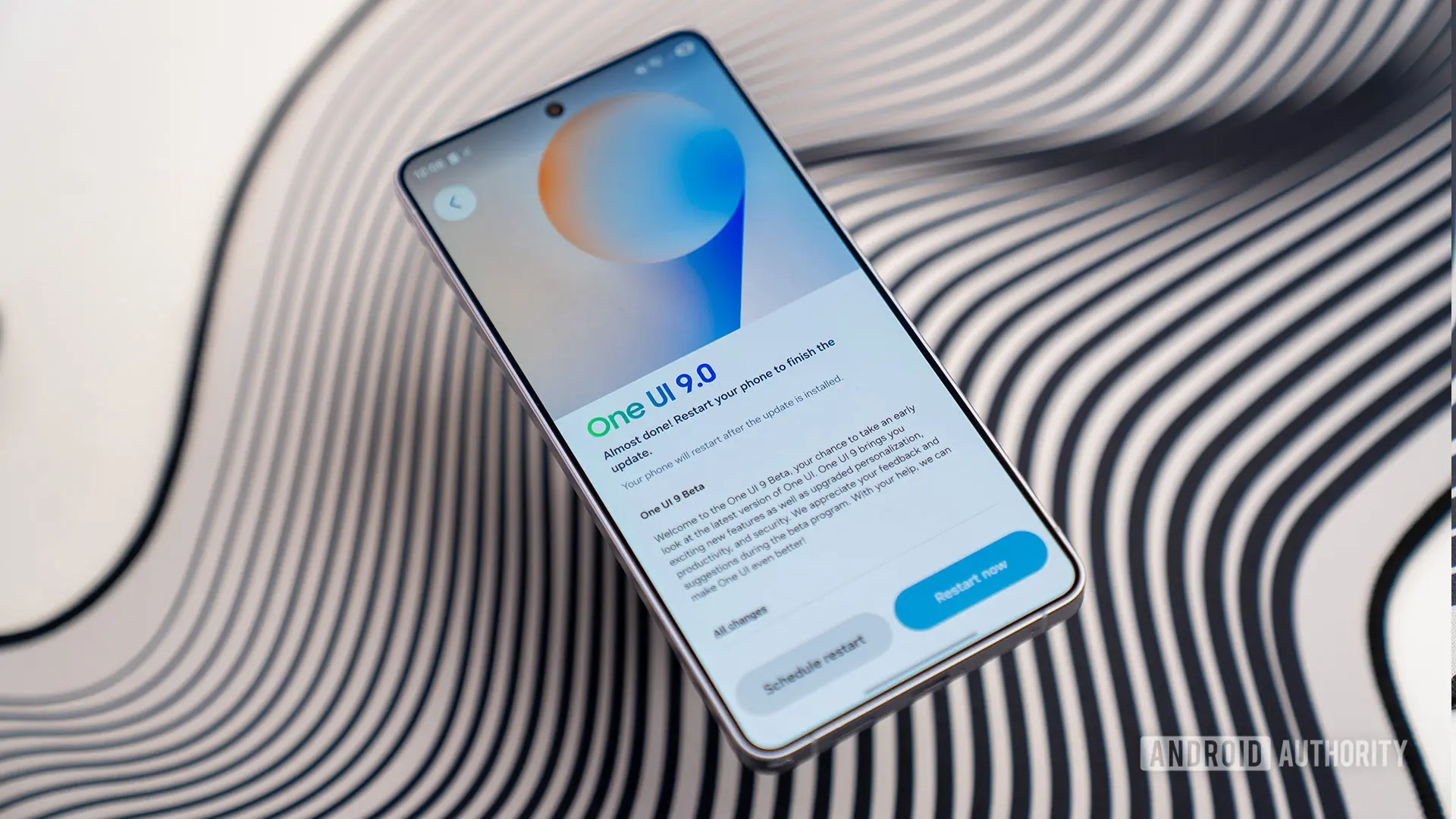
Samsung's software update cycle continues to generate excitement, and the upcoming One UI 9.5 is already making headlines. While the company recently rolled out One UI 9 based on Android 16, leaks and reports about the next incremental update are surfacing. Newly leaked screenshots from an internal build suggest that Samsung is working on two notable features: a satellite connectivity hub and a new USB debugging mode.
The potential arrival of satellite connectivity in One UI 9.5 would mark a significant step for Galaxy users. It aligns with a broader industry trend toward satellite-based communication, a feature that has gained traction in recent flagship smartphones. Google introduced a similar Satellite SOS feature on its Pixel 9 series, and Samsung appears to be adopting this capability for its own devices. The screenshots, shared by a known tipster on X, reveal that the feature is called the “Satellite connectivity hub.”
What Is the Satellite Connectivity Hub?
The satellite connectivity hub is designed to help users stay connected in areas where traditional mobile networks and Wi-Fi are unavailable. This could be especially useful for hikers, campers, travelers, and emergency responders operating in remote locations. The feature would allow users to send text messages and contact emergency services via satellite, providing a lifeline when no other communication method exists.
According to the leaked screenshots, the hub will include a demo mode. This mode is intended to help users understand how satellite connectivity works before they actually need it. By familiarizing themselves with the interface and process, users can be better prepared for real emergencies. In addition, the feature will offer an alignment guide. This guide will assist users in positioning their Galaxy device to establish a stable satellite connection. Proper alignment is critical for successful satellite communication, as the device must have a clear line of sight to the satellite.
The implementation appears to be a direct integration of Google's Satellite SOS technology, which was first introduced on the Pixel 9 series. This collaboration between Samsung and Google is not surprising, given their close partnership in developing Android and One UI. By leveraging Google's existing satellite infrastructure and software, Samsung can deliver a robust and reliable feature without having to build everything from scratch.
How Satellite Connectivity Works on Smartphones
Satellite connectivity on smartphones is not new, but it has become more accessible in recent years. Traditional satellite phones are bulky and expensive. However, modern smartphones are beginning to incorporate satellite communication capabilities that use existing hardware and software to connect to low-earth orbit (LEO) satellites. These satellites are closer to Earth than geostationary satellites, which reduces latency and improves signal strength.
The most common use case for smartphone satellite connectivity is emergency messaging. When a user is outside cellular coverage, they can use the satellite link to send an SOS message to emergency services. The message typically includes the user's location and a brief text. Some systems also allow two-way messaging, enabling the user to receive responses from rescue teams. The Satellite SOS feature on the Pixel 9 series works in this way, and Samsung's implementation is expected to follow a similar pattern.
One of the challenges of satellite connectivity on smartphones is the need for a clear view of the sky. Obstructions such as trees, buildings, or mountains can block the signal. This is why the alignment guide is so important. It uses the phone's sensors and camera to help the user point their device in the right direction. Some implementations also use dedicated satellite antennas that require specific positioning.
The Debugging Only USB Mode
In addition to satellite connectivity, the leaked screenshots reveal a new “Debugging only” option in USB settings. This feature appears to be aimed at developers and advanced users who frequently connect their Galaxy devices to computers for development purposes. Currently, when a Galaxy device with USB debugging enabled is connected to a PC, the device does not show any notification indicating that USB debugging is active. This can be confusing and may pose a security risk, as users might not realize that the debugging mode is enabled while connected to an untrusted computer.
The new “Debugging only” mode would provide a clearer way to access ADB (Android Debug Bridge) and other developer tools. It could be placed alongside existing USB options, such as file transfer and charging. This would allow developers to quickly select the mode they need without navigating through the developer options menu every time.
This feature could also improve security. With a dedicated debugging mode, users can ensure that USB debugging is only active when they explicitly choose it. This would reduce the risk of unauthorized access to the device via USB. For example, if a user connects their phone to a public charging station, they could select the “Debugging only” mode only if they trust the host computer. Otherwise, they would use the standard charging mode.
One UI 9.5: What Else to Expect
The One UI 9.5 update is expected to build upon the foundation of One UI 9, which introduced a range of design changes and performance improvements. Reports have suggested that One UI 9.5 could include updated icons, smoother animations, and enhanced customization options. Samsung has been focusing on refining the user experience, and this incremental update may bring several quality-of-life improvements.
There have also been rumors about improved battery management, new camera features, and better multitasking capabilities. Samsung's One UI has always been known for its rich feature set, and One UI 9.5 is likely to continue that trend. The addition of satellite connectivity would be a major selling point, especially for users who prioritize outdoor activities or work in remote areas.
As with any leaked feature, there is no guarantee that the satellite connectivity hub or the “Debugging only” mode will make it to the final release. Internal builds often contain experimental features that are later removed or changed. However, the fact that these features are being tested suggests that Samsung is at least considering them for public release.
Samsung's History with Satellite Features
Samsung has been exploring satellite communication for several years. The company filed multiple patents related to satellite messaging and emergency communication. In 2023, Samsung announced a partnership with Iridium Communications and Qualcomm to develop satellite-enabled smartphones. That collaboration aimed to bring two-way satellite messaging to Android devices, and it was expected to debut in Samsung's flagship phones.
While that specific implementation did not materialize as quickly as expected, the new leak indicates that Samsung is still pursuing satellite connectivity. The integration of Google's Satellite SOS technology could provide a faster and more streamlined path to market. Google's system is already functional on Pixel devices, and it has proven to be reliable in real-world emergency situations.
The satellite connectivity hub could also be part of Samsung's broader strategy to differentiate its flagship devices from competitors. With Apple having introduced satellite SOS on the iPhone 14 series, Samsung needs to offer a comparable feature to stay competitive. By working with Google, Samsung can deliver this feature across a wide range of devices, potentially including mid-range and budget models in the future.
Potential Challenges and Considerations
One of the main challenges of satellite connectivity is the cost. Satellite service providers charge for access to their networks, and smartphone manufacturers may need to pass these costs on to consumers. Apple offers satellite SOS free for two years with activation of an iPhone 14 or later, and it is unclear how Samsung will structure its pricing. Google's Satellite SOS on Pixel 9 is also free for a limited time, so Samsung may offer a similar promotional period.
Another consideration is regulatory approval. Satellite communication is subject to regulations in different countries, and smartphone manufacturers must obtain the necessary licenses to operate satellite services. This could limit the availability of the feature in certain regions at launch. Samsung and Google would need to work with local authorities to ensure compliance.
The “Debugging only” mode, on the other hand, is a simpler software addition that is unlikely to face significant hurdles. It would be a welcome change for developers who find the current USB debugging implementation cumbersome. By making the mode more accessible and transparent, Samsung can enhance the developer experience on its devices.
How These Features Could Impact Users
For everyday users, satellite connectivity offers peace of mind. Hikers, campers, and travelers who venture into areas with poor cellular coverage can use the feature to stay in touch and call for help if needed. The demo mode would be particularly useful for users who are unfamiliar with satellite communication. They can practice using the feature in a safe environment, so they know what to do in an emergency.
The “Debugging only” mode would be less relevant to average users, but it represents Samsung's commitment to supporting developers. Developers play a crucial role in the Android ecosystem, and providing them with better tools can lead to higher-quality apps. The new mode could simplify the development and testing process, making it easier for developers to debug apps on physical devices.
Overall, the addition of these features would strengthen the One UI 9.5 update. They demonstrate that Samsung is listening to user feedback and working to address the needs of both consumers and developers. While there is no official confirmation yet, the leaked screenshots provide a tantalizing glimpse of what's to come.
As always, it is important to treat leaks with a degree of skepticism. Features that appear in internal builds are not guaranteed to reach public release. However, the fact that Samsung is actively testing satellite connectivity and a new USB debugging mode suggests that these features are more than just theoretical concepts. We may see them announced with the official One UI 9.5 rollout, which is expected later this year or early next year.
For now, Galaxy users can only wait and hope that Samsung delivers on these promises. If the satellite connectivity hub and “Debugging only” mode do make their way into the stable version, One UI 9.5 could be one of the most significant updates in Samsung's recent history.
Source:Android Authority News