

Understanding the electrical system of your recreational vehicle (RV) is fundamental to safe and comfortable camping. Among the first things any new RV owner or prospective buyer should investigate is the type of power plug the vehicle uses. Most RVs fall into one of two categories: those with a 30-amp plug and those with a 50-amp plug. While both serve the same basic purpose—connecting your home-on-wheels to an external power source—the differences in design, capacity, and usage are significant.
The recreational vehicle class itself encompasses a vast range of drivable and towable campers, including motorhomes, fifth wheels, and travel trailers. Each type can be equipped with either a 30-amp or a 50-amp electrical system, depending on size, features, and intended use. Understanding these electrical ratings helps RVers manage their power consumption, avoid tripped breakers, and plan for upgrades or campground hookups.
Physical Differences Between 30-Amp and 50-Amp RV Plugs
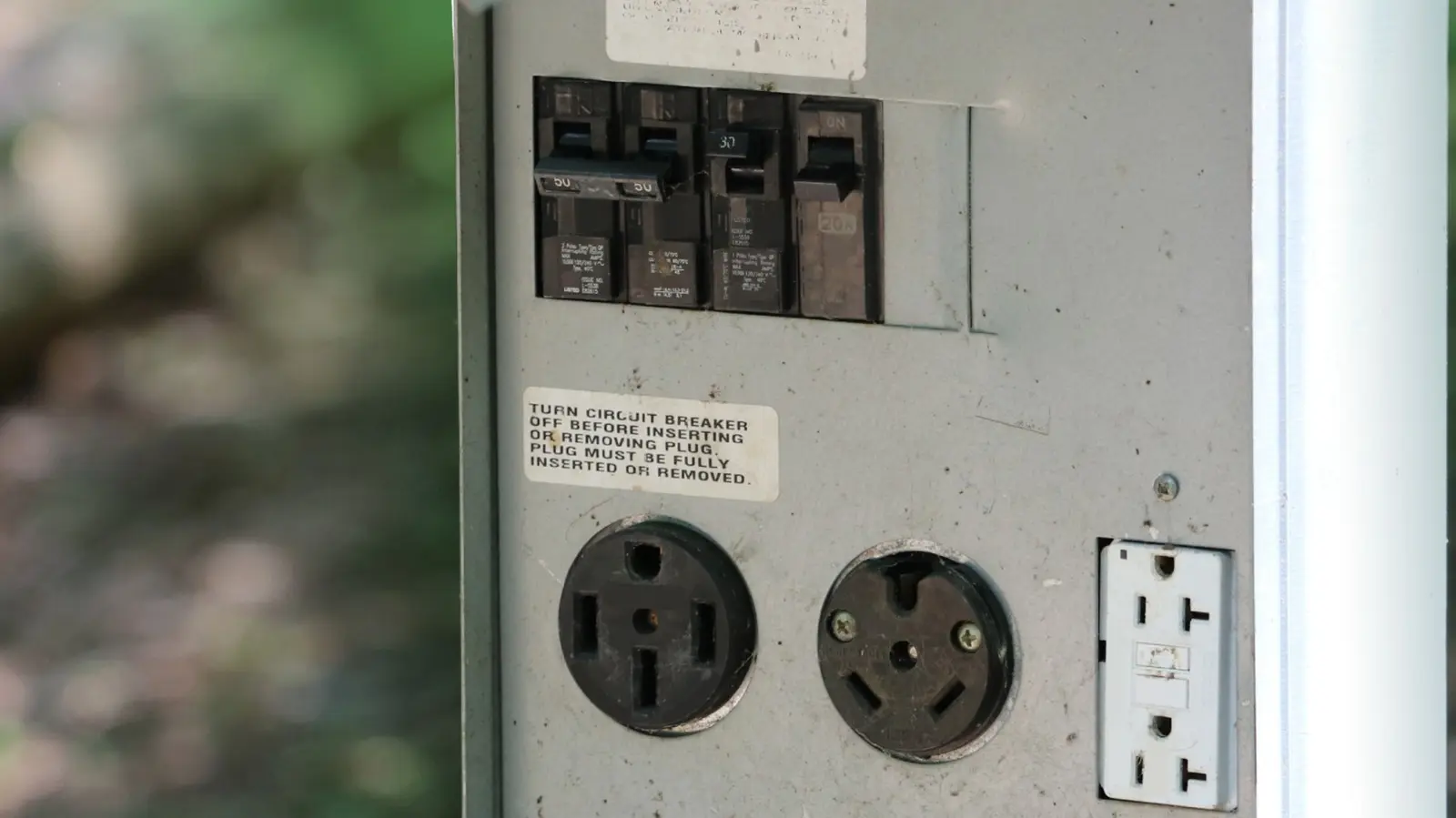
The easiest way to identify which type of plug your RV has is to look at the end of the power cord that connects to the campground pedestal. A standard 30-amp RV plug (NEMA TT-30) features three prongs: one round post (the ground) and two flat blades (the hot and neutral). The round post is typically about 1/4 inch in diameter, while the flat blades are perpendicular to each other. In contrast, a 50-amp RV plug (NEMA 14-50) has four prongs: a round ground pin and three flat blades—two hot wires (L1 and L2) and one neutral wire. The two hot blades are angled at 90 degrees, and the neutral blade is flat and vertical.
A common campground pedestal will often display three receptacles: a 50-amp outlet (four holes), a 30-amp outlet (three holes), and a standard household 20-amp outlet (three holes with a T-shaped neutral slot). The 50-amp receptacle is usually the largest, while the 30-amp receptacle is slightly smaller. The 20-amp outlet is for low-power devices like phone chargers or small appliances. Knowing which outlet corresponds to your plug is critical to avoid forcing the wrong connector.
Power Capacity and Electrical Calculations
The amp rating of an RV plug indicates the maximum current the system can safely handle. However, the total power available is determined by multiplying volts by amps. For a standard 120-volt system, a 30-amp plug provides up to 3,600 watts (120V x 30A = 3,600W). This is sufficient to run one air conditioner unit, a microwave, a coffee maker, or a hair dryer—but not all at the same time. Overloading the circuit will trip the breaker on the pedestal or in the RV's panel.
A 50-amp plug operates on two separate 120-volt lines, each capable of carrying 50 amps. This means each line (L1 and L2) can deliver up to 6,000 watts, for a total of 12,000 watts. The two lines are distributed across the RV's circuits, often with one air conditioner on one line and the second air conditioner on the other. This double capacity allows 50-amp RVs to run multiple high-power appliances simultaneously, including electric fireplaces, water heaters, and kitchen appliances. Understanding this power distribution is essential to avoid overloading one leg while the other remains underutilized.
Using Adapters: Dog-Bones and Compatibility
RVers frequently find themselves at campgrounds or RV parks that lack the exact outlet they need. This is where adapters, commonly called "dog-bones," come into play. A dog-bone is a short, molded adapter with two different plug types on each end. For example, a 30-amp to 50-amp dog-bone allows a 30-amp RV to connect to a 50-amp receptacle. Many RVers carry a set of these adapters to handle various hookup scenarios.
It is perfectly safe to plug a 30-amp RV into a 50-amp outlet using a proper adapter. The adapter does not increase the power delivered to the RV; it simply provides a physical connection. The RV's breaker panel will still limit the draw to 30 amps. However, plugging a 50-amp RV into a 30-amp outlet is also possible with the correct adapter, but the available power is drastically reduced. The RV will be limited to 3,600 watts total, meaning only one air conditioner can run, and high-power devices must be used sparingly. Many 50-amp RVs have an energy management system (EMS) that can automatically shed loads to prevent tripping the breaker in such situations.
Other common adapter situations include boondocking with a generator or "mooch-docking" at a friend's house. Generators often come with 30-amp or 20-amp outlets, so dog-bones are essential. When staying with friends, you may need to adapt the RV's plug to a standard household 15- or 20-amp outlet. In that case, a 30-amp or 50-amp to 15-amp adapter is used, but you must be extremely careful not to overload the household circuit.
Considerations for Upgrading from 30-Amp to 50-Amp
Some RV owners consider upgrading their electrical system from 30-amp to 50-amp to gain more power. While the benefits are clear—greater capacity for multiple air conditioners, electric fireplaces, and convenience outlets—the process is far from simple. It is not merely a matter of swapping the power cord or changing the receptacle. Upgrading involves replacing the entire power distribution panel, upgrading the main breaker, and rewiring many of the RV's circuits to handle higher amperage. The wire gauge must match the new load requirements, and additional grounding and bonding considerations may apply.
This project is best left to a qualified RV electrician. The cost can range from several hundred to several thousand dollars, depending on the size and complexity of the RV. Additionally, the weight of the power cord increases significantly for a 50-amp system. 50-amp cords use thicker copper wire (typically 6 AWG) compared to 30-amp cords (10 AWG). This makes the cord heavier, stiffer, and more difficult to coil and store. Many 50-amp RVs come with a built-in cord reel to manage the weight, but retrofitting such a system to an older RV can be challenging.
Another downside is that not all campgrounds have 50-amp hookups. If you upgrade to a 50-amp RV, you may still need to use an adapter at many parks, limiting your available power. Additionally, the higher amperage may increase the demand on your generator if you boondock, requiring a larger generator to run the same appliances.
Practical Tips for RV Electrical Safety
Regardless of whether your RV uses a 30-amp or 50-amp plug, practicing electrical safety is paramount. Always inspect the power cord for cuts, fraying, or damaged prongs before plugging in. Use a surge protector or an EMS (energy management system) to protect your RV from power surges, low voltage, and reverse polarity. These devices can save expensive appliances and prevent electrical fires.
When using adapters, ensure they are rated for the appropriate amperage and are designed for outdoor use. Never use a household extension cord to connect an RV to a pedestal, as these are not rated for the continuous load an RV draws. Also, be mindful of the total load you place on the system. Even with a 50-amp service, running every appliance simultaneously can exceed the breaker capacity if the loads are not balanced.
Finally, understand the limitations of your RV's system. A 30-amp RV is perfectly adequate for a smaller camper used for weekend trips with moderate power needs. A 50-amp RV is better suited for larger motorhomes or fifth wheels used for extended stays, full-time living, or cold-weather camping where electric heat is a necessity. Making the right choice between 30-amp and 50-amp service depends on your travel style, the appliances you need to run, and the campgrounds you plan to visit. By understanding the differences, you can ensure a safe and comfortable experience on the road.
Source:SlashGear News