

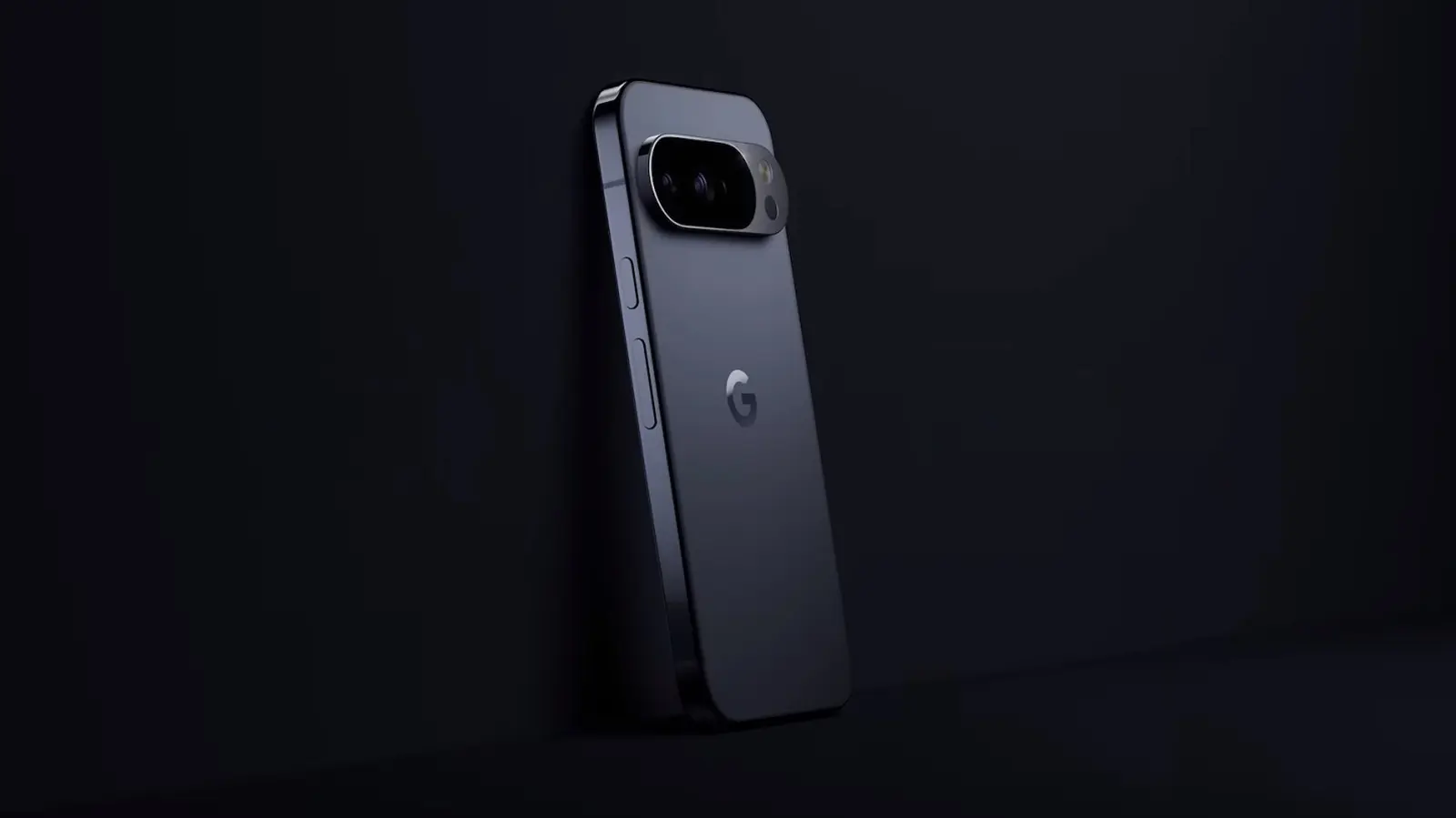
After being in beta since February, Google officially released the stable version of Android 17 on June 16, 2026. As is customary for the company, Google Pixel phones were the first to receive the new software. If you own a supported Pixel device, you can now update via the Settings app or through a notification. The update includes a range of new features, security improvements, and bug fixes.
The rollout covers all Pixel phones from the Pixel 6 onward. This includes models like the Pixel 6, Pixel 6 Pro, Pixel 6a, Pixel 7 series, Pixel 7a, Pixel Tablet, Pixel Fold, Pixel 8 series, Pixel 8a, Pixel 9 series, Pixel 9a, Pixel 10 series, and Pixel 10a. Unfortunately, devices older than the Pixel 6, such as the Pixel 5 and earlier, are not supported due to hardware limitations and the end of their software update lifecycle.
What's New with Android 17?
Android 17 introduces several innovative features designed to enhance productivity, gaming, and security. The most notable addition is the Bubbles feature, which allows users to turn any app into a small, floating window that remains on top of other applications. This is ideal for multitaskers who want to quickly access messaging apps, maps, or media controls without fully switching contexts. Bubbles can be moved around the screen and dismissed when no longer needed.
Screen recording has also received a significant upgrade. Users can now record their screen and simultaneously capture themselves using the front-facing selfie camera. This is particularly useful for creating tutorials, recording video calls, or capturing gameplay reactions. The interface is intuitive, with a few taps required to start the combined recording.
Mobile gamers benefit from a new split-screen mode on foldable devices like the Pixel Fold, Pixel 9 Pro Fold, and Pixel 10 Pro Fold. In Android 17, when a game is launched on a foldable phone, the display is divided evenly: the game occupies the top half, while a responsive virtual gamepad sits below it. This layout provides more screen real estate for gameplay and easier access to controls. However, Google has noted that this feature will be rolled out gradually over the next few months, so not all foldable users will see it immediately.
Security and Privacy Enhancements
Android 17 places a strong emphasis on security and privacy. Users can now grant apps temporary access to their exact location, which automatically expires after a set period. This prevents apps from continuously tracking your whereabouts. Additionally, the operating system allows you to share only specific contacts from your address book rather than the entire list, giving you finer control over personal data.
The Live Threat Detection feature has been improved to identify a broader range of malicious apps and scam attempts. It now uses advanced machine learning models to analyze app behavior in real time. The Advanced Protection mode, which is designed for high-risk users like journalists and activists, has been fine-tuned for better accuracy and fewer false positives.
To combat brute-force attacks, Google has limited the number of PIN entry attempts before the device locks. After repeated failed attempts, the waiting period becomes progressively longer, making it harder for attackers to guess credentials. These security features are not exclusive to Pixel phones; they will eventually be available on other Android 17-compatible devices, including Samsung and other manufacturers.
Background and Rollout History
Android 17 marks the seventeenth major iteration of Google's mobile operating system. The development cycle began in late 2025, with the first developer preview released in February 2026. The beta program attracted thousands of testers who provided feedback on stability and performance. The stable build was finalized in mid-June, and Google began pushing over-the-air (OTA) updates immediately.
The Pixel family has always been the launch pad for new Android versions. Google designs its own hardware to showcase the latest software features, and the company guarantees three years of major OS updates and five years of security patches for recent models. The cutoff at Pixel 6 reflects the end of update support for older chipsets, such as the Qualcomm Snapdragon 765G found in the Pixel 5. This strategy encourages users to upgrade to newer hardware to enjoy the latest software innovations.
Carriers also play a role in the rollout timeline. While Google sends the update directly to unlocked Pixel devices, carrier-branded models may require additional approval from network operators. Google has stated that it may take up to a week for all updates to propagate, and some carriers may introduce further delays. Users are advised to be patient and check for updates manually.
Expanded Feature Details
Beyond the headline features, Android 17 includes several subtle improvements. The notification shade now offers smarter grouping and priority settings, reducing clutter. The Quick Settings panel has been redesigned with larger toggles and a more intuitive arrangement. Battery life optimization has been enhanced, with adaptive power management learning from user habits to prioritize energy for frequently used apps.
For developers, Android 17 introduces new APIs for camera, audio, and connectivity. The CameraX library now supports multi-camera streams with lower latency, enabling features like simultaneous recording from front and rear cameras. The AudioManager API has been updated to support spatial audio without requiring specialized codecs. In terms of connectivity, Android 17 improves Wi-Fi 7 support and introduces a new mesh networking framework for smart home devices.
The user interface has been refined with smoother animations and a more consistent design language across system apps. Material You theming now extends to third-party app icons, allowing them to adapt to the device's wallpaper color scheme. Accessibility improvements include better screen reader support for gesture navigation and enhanced voice access for controlling the device hands-free.
Performance benchmarks show a 15% improvement in app launch times compared to Android 16, thanks to improvements in the ART runtime and background process management. Gaming performance on the Tensor G4 and G5 chips found in Pixel 9 and Pixel 10 devices benefits from new graphics drivers and Vulkan API optimizations. Benchmark scores are approximately 20% higher in GPU-intensive tasks.
The July 2026 security update, which accompanies the Android 17 rollout, patches 38 vulnerabilities, including several critical flaws in the media framework and system components. Google has also fixed a bug that caused the fingerprint sensor to occasionally fail on Pixel 8 and Pixel 9 devices.
Compatibility and Future Plans
Android 17 will be available for devices beyond Pixels in the coming months. Samsung, OnePlus, Xiaomi, and other major manufacturers have announced roadmaps for their own updates. Historically, Samsung begins its beta program within a few weeks of the Pixel release, followed by a stable rollout for its flagship Galaxy S and Z series. Xiaomi and OnePlus typically follow similar timelines, though carrier certification can cause variations.
Google has committed to supporting Android 17 for at least three years with major updates and five years with security patches for Pixel devices. The company continues to iterate on its custom Tensor chips, which work in tandem with Android to deliver exclusive features like on-device AI processing and advanced camera capabilities. The Pixel 10 series, powered by the Tensor G5, is expected to receive further optimizations in future point releases.
In summary, Android 17 represents a significant step forward in multitasking, gaming, and security. Pixel owners from the Pixel 6 onward can now enjoy these features, while the broader Android ecosystem will follow in the coming months. Users are encouraged to back up their data before updating and to ensure their device has sufficient storage space for the OTA package, which is approximately 2.5 GB in size.
Source:SlashGear News