

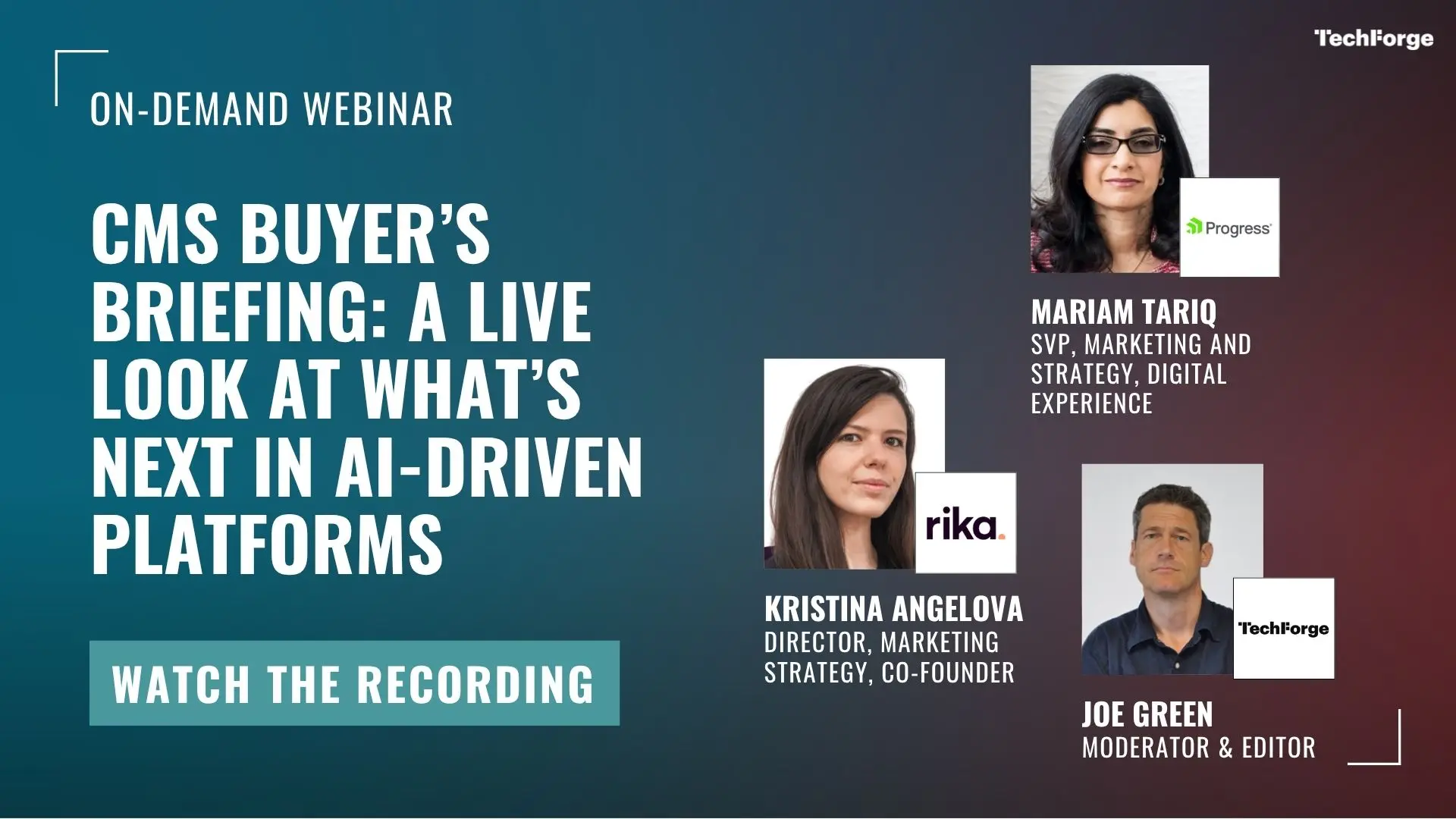
The landscape of content management systems (CMS) is undergoing a profound transformation, driven by rapid advances in artificial intelligence. In a recent on-demand webinar titled CMS Buyer’s Briefing: A Live Look at What’s Next in AI-Driven Platforms, industry experts and practitioners gathered to dissect the emerging capabilities that are reshaping how organizations create, manage, and distribute content. This briefing offered a forward-looking perspective for buyers evaluating platforms that leverage AI to enhance efficiency, personalization, and scalability.
The Evolution of CMS: From Static Pages to Intelligent Ecosystems
Traditional CMS platforms were designed primarily for storing and displaying content—think of early systems like WordPress or Drupal. But as digital experiences became more complex, the need for smarter tools grew. The integration of AI marks a paradigm shift: modern platforms now learn from user behavior, automate repetitive tasks, and even generate content. The webinar highlighted how AI is not just an add-on but a core component of next-generation CMS architectures.
Key drivers of this evolution include the explosion of data, the demand for real-time personalization, and the need to scale content across multiple channels—websites, mobile apps, voice assistants, and IoT devices. AI enables a single system to orchestrate these channels intelligently, ensuring consistent and contextually relevant experiences.
Intelligent Content Creation and Curation
One of the most impactful areas discussed was AI-assisted content creation. Natural language generation (NLG) tools can now draft articles, product descriptions, and social media posts from structured data. During the briefing, a live demo showed how a platform could generate a full product page—including headlines, body text, and metadata—from raw specifications. This drastically reduces time-to-market for e-commerce and news organizations.
Beyond generation, AI powers smart curation. Platforms use machine learning algorithms to analyze audience engagement and automatically surface the most relevant content. For instance, a media site can highlight stories that are gaining traction based on real-time sentiment analysis. The webinar emphasized that this is not about replacing human editors but augmenting their capabilities—freeing them to focus on strategy and creativity.
Automated Workflows and Efficiency Gains
Another key takeaway was the role of AI in optimizing editorial workflows. Tasks such as tagging, image selection, and internal linking—which once required manual effort—are now automated. Intelligent systems can suggest categories based on content analysis, recommend appropriate images from a library, and even predict the best times to publish for maximum engagement.
One panelist noted that a leading publishing house reduced its content production cycle by 40% after implementing an AI-driven CMS. The platform automatically assigned contributor roles, set deadlines based on historical performance, and flagged potential quality issues before publication. Such efficiency is critical for organizations operating at scale.
Predictive Personalization at Scale
Personalization has long been a goal for marketers, but AI makes it achievable at an unprecedented level. The webinar showcased how modern CMS platforms can build dynamic user profiles by tracking behavior across sessions and devices. These profiles power tailored content recommendations, adaptive navigation, and even individualized landing pages—all without manual rules.
For example, a news website could adjust the layout and article order for each visitor based on their reading history and inferred interests. The system learns continuously, refining its predictions as new interactions occur. The briefing stressed that this degree of personalization drives higher engagement, longer session durations, and improved conversion rates.
Challenges and Considerations for Buyers
While the benefits are compelling, the webinar also addressed the challenges that organizations face when adopting AI-driven CMS platforms. Data privacy and governance are top concerns. AI models require large datasets to train effectively, but regulations like GDPR and CCPA impose strict limits on how personal data can be collected and used. Buyers must ensure that the platform includes robust consent management and anonymization capabilities.
Integration with existing tech stacks is another hurdle. Many enterprises have legacy systems that may not communicate seamlessly with AI modules. The presenters recommended evaluating platforms with open APIs and pre-built connectors. Additionally, the cost of AI-powered features can be higher; buyers should assess the total cost of ownership against expected ROI.
Finally, there is the human factor. Staff may resist automation or feel threatened by AI. Successful adoption requires change management and training. The briefing suggested starting with small pilot projects to demonstrate value before scaling.
What the Future Holds
Looking ahead, the webinar painted a picture of even deeper integration. Emerging technologies like generative AI (e.g., GPT-4 and beyond) will enable systems to produce multimedia content—synthesizing images, audio, and video from text prompts. Voice-activated content management will become more prevalent, allowing editors to create and publish using natural speech commands.
Another trend is the rise of composable CMS architectures, where AI modules are decoupled and can be swapped based on specific needs. This contrasts with monolithic platforms and offers greater flexibility. The experts predicted that within five years, AI will be an indispensable layer within virtually every CMS, much like databases are today.
The webinar concluded with a live Q&A session, where attendees asked about implementation timelines, vendor lock-in risks, and metrics for measuring AI effectiveness. The panelists emphasized the importance of starting the evaluation process now, as the competitive gap between early adopters and laggards is widening.
For those who missed the live event, the on-demand recording is available, offering a detailed walkthrough of specific platform features and buyer checklists. This briefing serves as a critical resource for any organization planning to invest in a CMS that can support its digital transformation journey in an increasingly AI-driven world.
Source:AI News News