

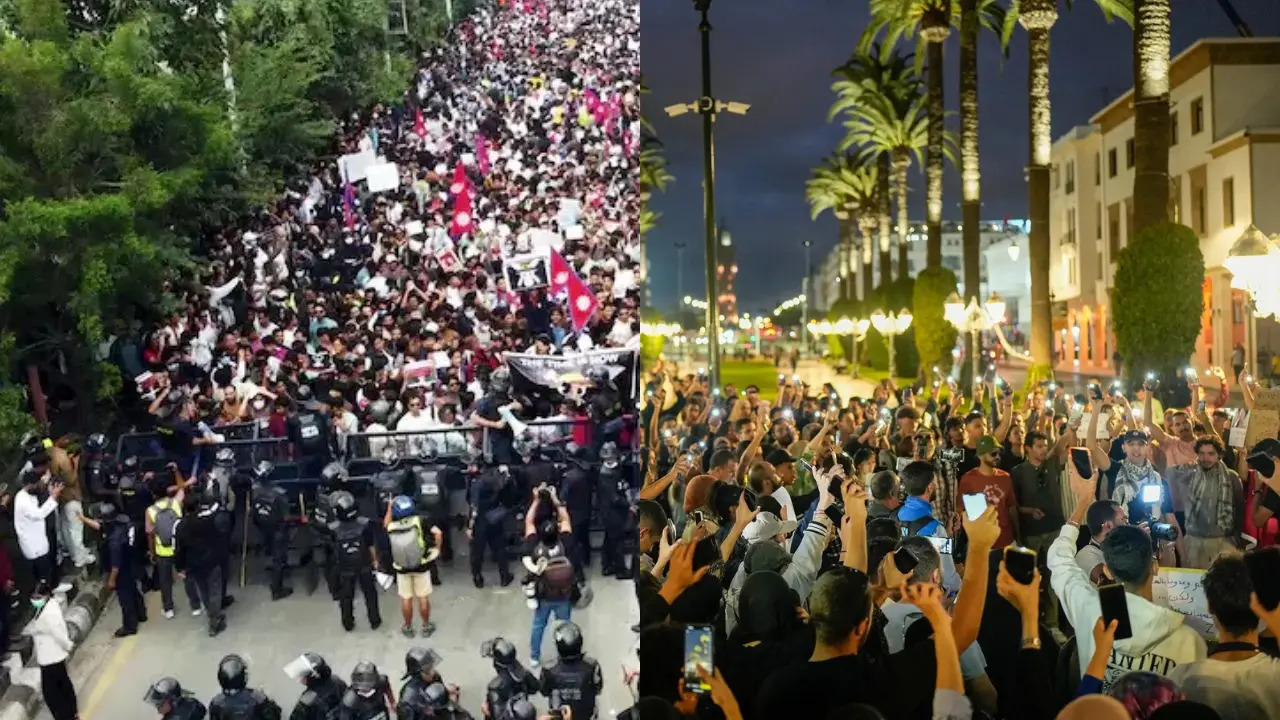
In an era defined by digital connectivity and deep-seated frustrations with institutional failures, Generation Z has emerged as a formidable force for political and social change. Across the globe, young people have taken to the streets, leveraging social media organization and sheer determination to demand accountability, transparency, and systemic reforms. The period from 2024 to 2026 witnessed a remarkable series of youth-led protests that did not merely make noise but triggered tangible, often seismic, shifts in governance. From India's 'CJP cockroaches' to the ouster of long-serving leaders in Bangladesh and Nepal, the message is clear: the youth will no longer be ignored. This article explores the key protests, the catalyst events, the strategies employed, and the consequential changes they brought about.
India: The CJP Movement and Education Reform
In mid-2026, India witnessed a powerful student-led movement under the banner of the 'CJP' (Chhatra Janta Party or similar, though the acronym is widely used by protestors). The protests began with a demand for accountability after repeated leakages of crucial examination papers, notably the NEET and UGC NET exams, which undermined the integrity of the education system. Students, many from marginalized backgrounds, faced unfair competition and systemic corruption. What started as peaceful demonstrations with sloganeering soon escalated into a nationwide agitation, marked by intense clashes with police, arrests, and even instances of bloodshed. The protestors, often derisively called 'cockroaches' by certain political figures, adopted the term as a badge of honor, symbolizing their resilience and ubiquity. They used platforms like Instagram, Twitter, and Telegram to coordinate rallies, share real-time updates, and circumvent mainstream media blackouts. The movement's relentless pressure forced Union Education Minister Dharmendra Pradhan to resign, marking a historic victory for student activism. The incident set a precedent for how Gen Z can directly influence ministerial accountability in the world's largest democracy.
Nepal: From Violence to a Gen Z Prime Minister
Nepal's Gen Z uprising began in September 2025, ignited by a controversial social media ban that the government claimed was for maintaining public order but was widely seen as a tool to suppress dissent. Underlying this was a deep-seated frustration with rampant corruption and nepotism in the highest echelons of power, particularly under Prime Minister KP Sharma Oli. What began as digital protests quickly moved to the streets of Kathmandu and other major cities. The movement turned tragically violent, with at least 51 protesters killed and over 1,300 injured by security forces. The international community condemned the crackdown, but the protests did not waver. The defining moment came when Prime Minister Oli resigned under pressure in late 2025, paving the way for an interim government led by Sushila Karki, the first woman to hold the prime ministerial office in Nepal. Then, in the March 2026 general elections, a new political force emerged: the Rastriya Swatantra Party, led by 35-year-old rapper and anti-establishment icon Balen Shah. Shah's party won a sweeping majority, and he was elected as Nepal's first-ever Gen Z Prime Minister, embodying the very movement that had unseated the old guard.
Bangladesh: The Fall of Sheikh Hasina
Bangladesh's youthful population, frustrated with discriminatory public-service quotas that reserved a large portion of government jobs for liberation war veterans' families, sparked a movement in July 2024. What started as student-led demonstrations against these quotas quickly escalated into a nationwide uprising against the long-time Prime Minister Sheikh Hasina, who had been in power for 15 years. The protests were met with an extraordinarily violent crackdown, with dozens of student leaders and hundreds of young protesters killed by security forces. The imagery of bloodied students and families mourning their children galvanized the nation. The movement, demanding an end to systemic discrimination and authoritarian rule, forced Hasina to flee the country amid chaotic scenes. An interim government, led by Nobel laureate Muhammad Yunus, was established to oversee a transition. In the first post-uprising general elections held in February 2026, Tarique Rahman, son of former Prime Minister Khaleda Zia, won the prime ministerial office, signaling a return to competitive politics but also raising questions about dynastic continuity.
Madagascar: Water, Power, and a Military Takeover
On the island nation of Madagascar, chronic water and power outages that had afflicted the capital Antananarivo for years finally boiled over into a youth-led movement in early 2025. The Gen Z protesters, organized under loose networks, demanded the resignation of President Andry Rajoelina, whom they accused of corruption and mismanagement. The movement gained momentum when a high-ranking military official, Colonel Michael Randrianirina, publicly backed the protesters and led a coup that removed Rajoelina from power. Colonel Randrianirina appointed himself president and dissolved the entire cabinet, including the prime minister. He then appointed former anti-corruption bureau chief Mamitiana Rajaonarison as the new prime minister. In a bold move to curb corruption, he introduced a law requiring all ministerial candidates to undergo polygraph (lie-detector) tests before appointment, a reform that resonated with the youth's demand for integrity. New elections were promised within two years.
Peru: Crime, Pensions, and Presidential Instability
Peru's already fragile political landscape fractured further in September 2025 when protests erupted over a combination of rising crime and a disputed pension reform. The youth, feeling particularly vulnerable to both crime and economic insecurity, took to the streets against President Dina Boluarte. The protests quickly turned into a demand for her removal, and within a month, in October 2025, Boluarte was ousted by Congress amid corruption allegations. A chaotic succession followed: interim successor José Jerí was quickly replaced by interim President José Balcázar in February 2026 after a series of presidential dismissals over similar corruption accusations. In a runoff election dominated by the issues of crime and extortion, conservative Keiko Fujimori narrowly defeated nationalist congressman Roberto Sánchez after a full recount of all ballots. Fujimori became Peru's ninth president in ten years, highlighting the country's chronic political instability yet again.
Morocco: Economic Protests Met with Deadly Force
Across North Africa, Morocco's Gen Z organized under the banner "Gen Z 212" (referencing the country's international dialing code) in the fall of 2025 to protest dire economic conditions, including high unemployment, inflation, and lack of social mobility. The protests, which were massive and spread across multiple cities, demanded systemic reforms and an end to authoritarian governance. However, unlike the movements in Nepal and Madagascar, the Moroccan government met the protests with a deadly police crackdown, resulting in numerous fatalities and injuries. The authorities banned demonstrations and arrested key organizers. As of the time of reporting, the Moroccan government has not fallen, and systemic reforms have been limited. The movement, while not yet successful in achieving its immediate goals, has demonstrated the growing frustration and organizational capacity of Moroccan youth, and may yet fuel future uprisings.
Common Threads and Global Impact
Across all these examples, the protests share common features: they were digitally organized, driven by a sense of injustice that transcends generations but is acutely felt by the young, and often faced heavy-handed state responses. The outcomes ranged from sweeping reforms and new leaders (India, Nepal, Bangladesh, Madagascar) to persistent resistance (Peru, Morocco). What is undeniable is that Generation Z has shown a willingness to put their lives on the line for the future they believe they deserve. Their ability to topple governments and change policies in multiple countries within such a short span signals a paradigm shift in global youth activism. The Cockroaches of India, the rappers of Nepal, the students of Bangladesh, and the water-starved youth of Madagascar all contributed to a narrative that no government can take the patience of the young for granted.
Source:TimesNow News