

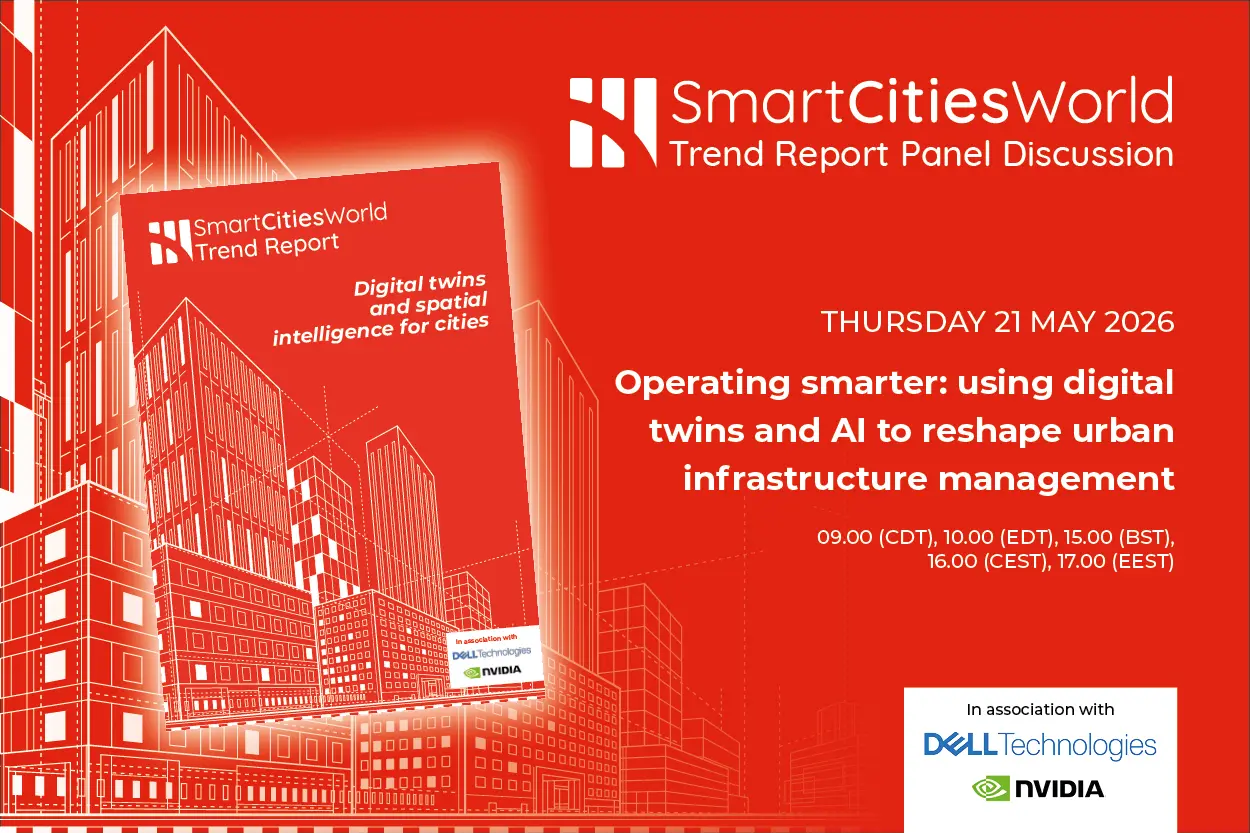
Urban infrastructure is undergoing a profound transformation, driven by the convergence of digital twin technology and artificial intelligence. Cities worldwide are recognizing that traditional approaches to managing roads, utilities, public transport, and energy systems are no longer sufficient to meet the demands of growing populations and climate change. Instead, a smarter, more data-driven model is emerging—one that leverages real-time simulation, predictive analytics, and automated decision-making to reshape how urban environments operate.
At the heart of this shift is the concept of the digital twin: a virtual replica of a physical asset, system, or entire city that allows planners and operators to monitor conditions, run simulations, and optimize performance without disrupting real-world operations. When combined with AI, these digital twins become living, learning models that can forecast failures, recommend interventions, and even execute changes autonomously. The result is a more resilient, efficient, and responsive urban infrastructure.
The Role of Local Authorities in Shaping Energy Systems
One of the most promising applications of digital twins and AI is in energy management. Local authorities are increasingly taking an active role in shaping their energy systems by integrating renewables, flexibility measures, storage solutions, and smarter grid networks. Through digital twins, cities can model the impact of solar panel installations, battery storage, and demand-response programs. AI algorithms then optimize energy distribution in real time, reducing waste and lowering costs. For example, a city could simulate the effect of a heatwave on electricity demand, pre-positioning storage and adjusting streetlight usage to prevent blackouts.
Strategic procurement has emerged as a powerful but underused tool in this context. As Sam Markey, Founder of Recurve, argues, cities can build resilience and long-term climate impact by purchasing energy-efficient technologies, renewable energy credits, and grid-interactive devices. By embedding AI-driven insights into procurement decisions, local governments can prioritize investments that deliver the greatest environmental and economic returns.
Mainstreaming AI in Local Government Operations
Beyond energy, AI is gradually moving into mainstream local government operations. However, this transition requires careful planning. A panel discussion at the SmartCitiesWorld Summit 2026 highlighted that for AI to be sustainable in the long term, cities must build robust data foundations, invest in workforce training, and establish responsible governance frameworks. Katherine Flesh of Microsoft noted that while AI offers tremendous opportunities for improving transport services, the greatest benefits depend on data quality, interoperability, and ethical considerations.
Digital twins play a crucial role here by providing a safe sandbox for testing AI applications. Before deploying an algorithm that adjusts traffic signals or allocates emergency services, city officials can run thousands of simulations in a virtual environment. This reduces risk and builds public trust. For instance, Dublin has been innovating with digital twin projects aimed at reducing traffic congestion and fostering economic growth. By modeling the impact of new bike lanes, pedestrian zones, or ride-hailing regulations, the city can make evidence-based decisions that improve quality of life.
Transportation and Smart Lighting: Real-World Implementations
Transport agencies are among the early adopters of AI and digital twins. By creating digital replicas of transit networks, they can predict maintenance needs for bridges and tunnels, optimize bus schedules based on real-time demand, and manage crowds during major events. Kansas City provides a compelling example: the return of streetcars has reconnected downtown, spurred riverfront development, and reshaped the city's growth narrative. Digital twins likely helped planners evaluate routes, station locations, and integration with existing transit.
Smart lighting is another rapidly evolving domain. Cities are transforming their streetlight networks into secure, interoperable, and future-proof infrastructure. The second episode of the Cities Thriving on Lighting series explores how old lamps are being retrofitted with sensors, communication modules, and AI controllers. These systems can dim lights when no pedestrians are present, detect gunshots or air quality issues, and even serve as the backbone for 5G small cells. However, as the final episode warns, cybersecurity risks must be addressed proactively. A compromised streetlight network could be used to launch attacks on other city systems. Digital twins help by simulating breach scenarios and testing countermeasures.
Building Resilient Economies: Sunderland and Beyond
Some cities are using digital twins and AI as catalysts for economic regeneration. Sunderland, for example, is repositioning itself as a leading smart city by investing in digital infrastructure and low-carbon innovation. A city-wide digital twin allows stakeholders to visualize the impact of new developments, monitor energy flows, and attract green businesses. Similarly, Dublin’s city profile highlights how digital twin projects are driving traffic reduction and economic growth. These initiatives create a virtuous cycle: better infrastructure attracts talent and investment, which in turn funds further upgrades.
Historical Context and Career Insights
The journey toward intelligent infrastructure did not begin overnight. The concept of digital twins dates back to NASA's Apollo program, when engineers created physical replicas of spacecraft for testing. Today, advances in cloud computing, IoT sensors, and machine learning have made city-scale digital twins feasible. AI, once limited to academic labs, is now deployed in production systems—from predictive maintenance of water pipes to real-time optimization of waste collection routes.
Leaders like Sam Markey and Tom Gerend represent a new breed of urban thinkers who combine technical expertise with a deep understanding of public policy. Markey’s work at Recurve focuses on unlocking hidden energy savings through data, while Gerend’s leadership of the Kansas City Streetcar Authority shows how strategic infrastructure investments can reshape a city’s narrative. Their insights underscore that technology alone is insufficient; success requires collaboration between governments, private companies, and communities.
In conclusion—no, rather than concluding, it's important to recognize that the integration of digital twins and AI into urban infrastructure is an ongoing, iterative process. Each city's path is unique, influenced by local priorities, budgets, and political will. Yet common themes emerge: the need for strong data governance, the importance of workforce readiness, and the value of starting small with pilot projects that can scale. As cities continue to experiment with these tools, they move closer to the vision of truly smart, resilient, and equitable urban environments—operating smarter, not harder.
Source:Smart Cities World News