
Big AI Had a Point When It Said It Needed to Be Told What Is Not Okay
A new report from Politico reveals a complex relationship between Big AI and the Trump administration. While leading AI companies like OpenAI and Anthropic have long called for clear regulatory guidelines, they now express frustration over abrupt and opaque government actions. The administration, which initially took a hands-off approach under Vice President Vance's famous Paris speech in February 2025, has recently cracked down on Anthropic's Claude Fable 5 model, creating uncertainty across the industry.
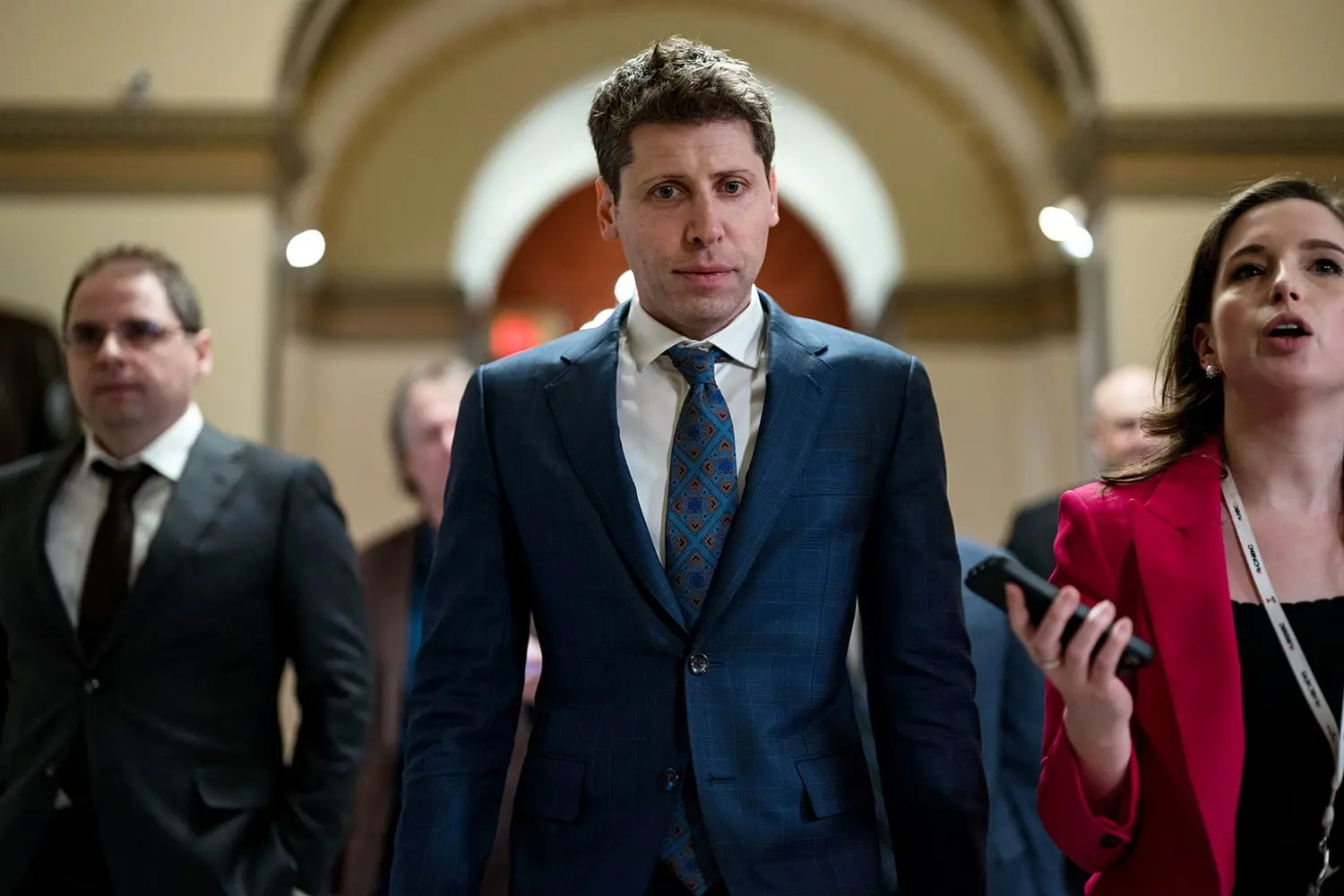
The analogy of a dentist preparing a patient for a painful procedure resonates here. OpenAI CEO Sam Altman, during a 2023 Senate hearing, famously warned: "If this technology goes wrong, it can go quite wrong. We want to work with the government to prevent that." Similarly, Anthropic CEO Dario Amodei, in his essay "The Adolescence of Technology," wrote that humanity's ability to navigate AI's impact "will depend on our character and our determination as a species, our spirit and our soul." These statements suggested that AI leaders understood the risks but wanted to shape the narrative of inevitable disruption.
The Abrupt Shift in Regulation
For months, the Trump administration signaled that AI would remain largely unregulated. Vice President JD Vance, in his Paris speech, argued that regulation "would not only unfairly benefit incumbents in the space, it would mean paralyzing one of the most promising technologies we have seen in generations." This laissez-faire approach aligned with the industry's initial hopes. However, earlier this month, the administration suddenly designated Anthropic as a supply chain risk and imposed a moratorium on new model releases. The specific trigger was the alleged jailbreak vulnerability in the Claude Fable 5 model, which the government claimed could be exploited by foreign adversaries.
Dean Ball, recently hired by OpenAI as Head of Strategic Futures, captured the industry's mixed feelings: "There are things the administration is doing that I’m not so much of a fan of, in terms of the abruptness and the opacity and the strictness, but the more fundamental point is that I’m glad they’ve arrived at the conclusion to take this stuff seriously." This sentiment reflects a broader irony: Big AI wanted regulation, but not like this.
Public Distrust and Industry Concerns
The public is deeply skeptical of AI companies. According to an Anthropic-conducted survey, only 15% of Americans trust AI firms to make decisions about development and use. 70% oppose data centers in their neighborhoods, and 87% believe foreign governments will use AI to attack the U.S. within 20 years. These numbers suggest that the industry faces an uphill battle for legitimacy, even as it seeks clearer rules.
The situation has also sparked concerns about national competitiveness. As one cybersecurity expert noted, rival labs in China can now push ahead while U.S. labs are stuck deciphering what is allowed. OpenAI's latest GPT 5.6 series is being rolled out cautiously to a small group of VIP customers, with the company stating it will work with the administration to "develop the cyber Executive Order framework and a repeatable process for future model releases." Yet behind the scenes, OpenAI's blog post included a frustrated line: "We don’t believe this kind of government access process should become the long-term default."
The Cost of Uncertainty
Former Biden administration tech advisor Saif Khan told Politico that the current actions have resulted in "an almost complete moratorium on new releases, and that’s going to start seriously impacting companies’ bottom lines." This disruption comes at a critical time when AI companies are spending billions on compute infrastructure, data centers, and talent. The fear is that without a stable regulatory environment, investment will stall, and America could lose its edge in the global AI arms race.
The administration's approach, bypassing Congress in favor of executive orders and targeted bans, has created a volatile regulatory landscape. What is and isn't allowed now depends on whether President Trump is pleased with the latest model's guardrails. This ad hoc system leaves companies scrambling to anticipate shifting political winds rather than complying with clear, written law.
Looking Ahead
As the dust settles from the Anthropic ban, the industry is left with more questions than answers. Will the administration provide the clear, consistent guidelines that Big AI originally requested? Or will it continue to wield its power unpredictably, using AI as both a tool for national security and a bargaining chip? For now, the metaphorical dental procedure has been paused, but the tray of instruments remains visible. The public, already wary, watches closely to see whether the next step will bring relief or more pain.
Source:Gizmodo News