

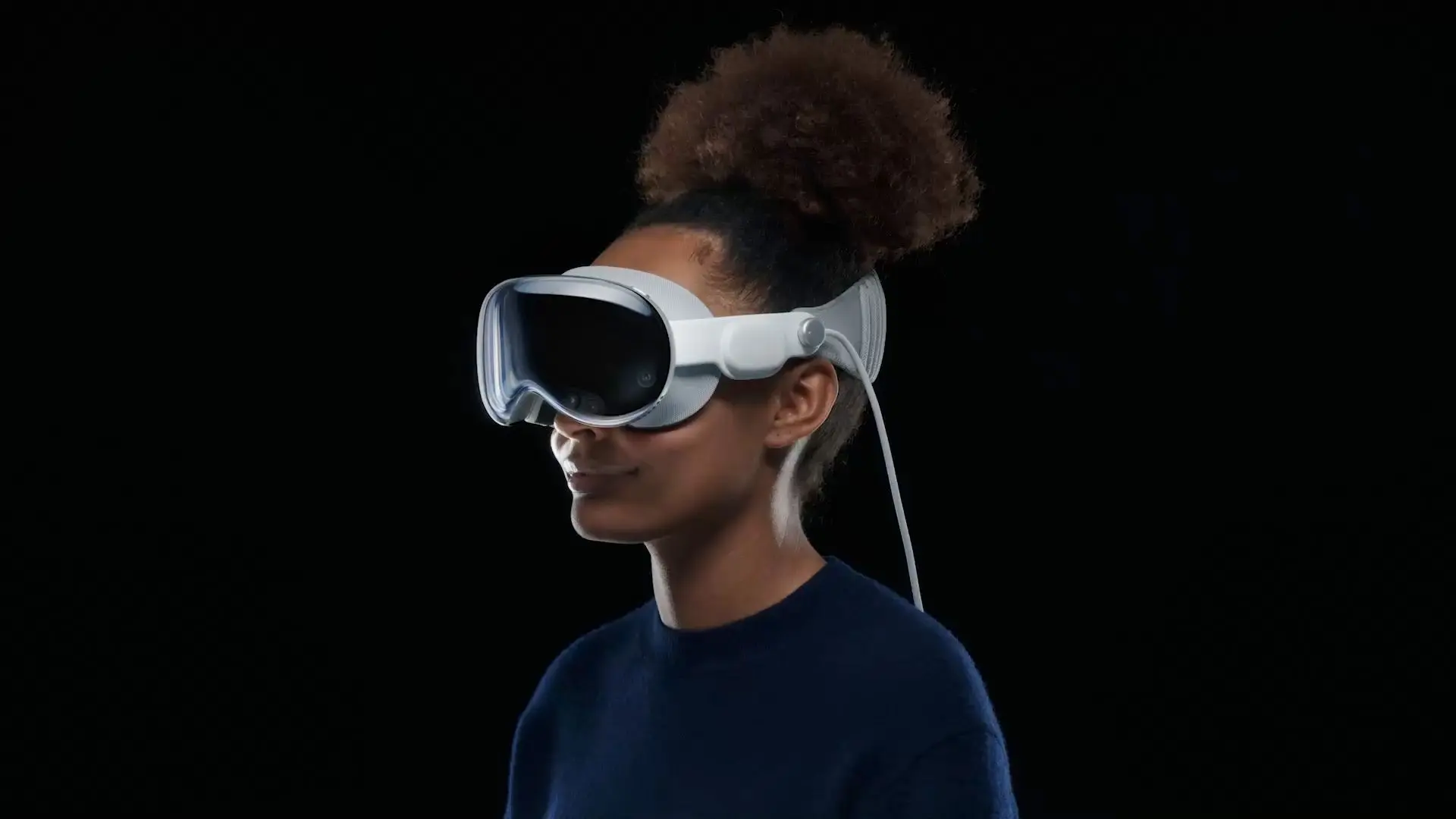
Overview of Apple Vision Pro
The Apple Vision Pro is a high-end mixed reality headset that combines augmented and virtual reality. First launched in February 2024 with an M2 chip, it received a significant upgrade in October 2025 with the M5 processor. The device is marketed as a spatial computer, blending digital content with the physical world through a combination of cameras, sensors, and eye-tracking technology. Despite its technical prowess, the Vision Pro remains a niche product due to its high price and limited ecosystem.
Pricing and Value
The base model with 256GB storage starts at $3,700. In June 2026, Apple raised the price to $3,699 due to a global memory crisis. This makes the Vision Pro one of the most expensive consumer headsets on the market. Zeiss optical inserts for prescription lenses cost an additional $149 (or $99 for readers). There is no trade-in program for upgrading from the M2 to the M5 model. The steep price and limited use cases have led some early adopters to regret their purchase, though the device excels at media consumption and Mac display functionality.
Design and Comfort Improvements
The Vision Pro features a laminated glass front, aluminum alloy frame, and a new Dual Knit Band introduced with the M5 model. This band includes a top strap for better weight distribution and uses tungsten counterweights to reduce neck strain. The headset weighs over 1.3 pounds, which can cause fatigue during extended use, but the improved band helps alleviate pressure. The external EyeSight display projects the user's eyes to others, indicating immersion level. A Light Seal blocks external light and must be properly fitted for optimal clarity.
Display and Performance Enhancements
The Vision Pro uses custom micro-OLED displays with 23 million total pixels, providing over 4K resolution per eye. The M5 chip enables rendering 10 percent more pixels and supports refresh rates up to 120Hz (up from 90Hz on the M2 model). This reduces motion blur and improves visual clarity, especially when using the headset as a Mac display. The M5 features a 10-core CPU, 10-core GPU, 16-core Neural Engine, and 16GB RAM. It also includes the R1 coprocessor for real-time camera and sensor processing with 12ms latency. Storage options include 256GB, 512GB, and 1TB.
Battery Life and Power
The Vision Pro does not have an internal battery; it is powered by an external pack worn at the hip. The M5 model offers up to 3 hours of video playback or 2.5 hours of general use, which is 30 minutes longer than the M2 version. The battery pack can be swapped for extended use, and the headset can run indefinitely when plugged into a power adapter. Charging is via a USB-C cable connected to the pack.
visionOS Updates
The operating system, visionOS, has seen two major updates. visionOS 26, released in September 2025, introduced persistent widgets, enhanced Personas, and spatial scenes for 2D photos. visionOS 27, arriving in fall 2025, brings Siri AI with generative capabilities, visual intelligence, a redesigned Control Center, and curved windows. New accessibility features include face gestures for taps, vehicle motion cues, and support for power wheelchairs via eye-tracking. The software supports a wide range of apps, including iPhone and iPad apps, and integrates with Mac to provide a virtual display.
Future Plans: Smart Glasses and Cheaper Headset
Apple is reportedly pausing development on a next-generation Vision Pro to focus on smart glasses similar to Meta Ray-Bans. These glasses will lack a display but include speakers, microphones, and a camera for AI tasks. They are expected in late 2026 or 2027. A cheaper enclosed headset is also in early development, but may not arrive until 2028 or 2029. Augmented reality smart glasses with a display were halted in January 2025, though Apple continues exploring long-term AR/VR technologies, including possible health applications such as depression detection and eye-swelling analysis. There are also rumors of future contact lenses, but that is a distant possibility.
Medical Warnings and Compatibility
Apple advises caution for users with heart conditions, migraines, dizziness, vision issues, or psychological conditions. The headset can interfere with pacemakers and hearing aids. Pregnant individuals should be aware of increased nausea risk. The Vision Pro is compatible with soft contact lenses but not hard contacts. Zeiss prescription inserts are available for a wide range of prescriptions. The device supports Wi-Fi 6 and Bluetooth accessories.
Source:MacRumors News