

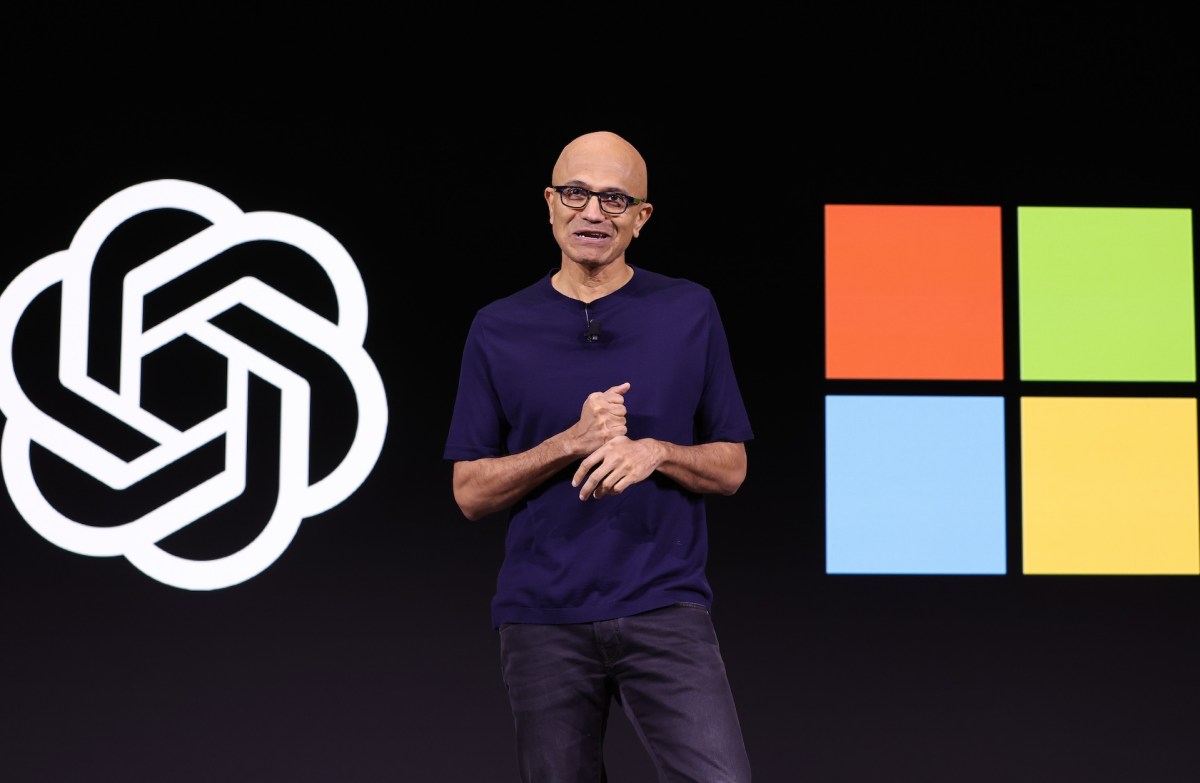
Microsoft CEO Satya Nadella has stirred the tech world with a surprising warning: companies using proprietary AI models are handing over their most sensitive business information to the very labs that may one day compete against them. In a blog post published on Sunday, Nadella joined a growing chorus of voices—including venture capitalists like Jason Calacanis and Palantir CEO Alex Karp—who fear that large AI model providers act as Trojan horses.
Nadella's core argument is that enterprises pay for AI intelligence twice. First, they pay with money for token usage. Second, and far more dangerously, they pay with their proprietary knowledge. “You essentially pay for intelligence twice, once with money, and again with something even more valuable: the proprietary knowledge you must reveal to make that intelligence useful,” he wrote. “The better you want the model to perform, the more of that knowledge you have to feed it!”
The issue revolves around how AI models improve. They learn from “exhaust”—the prompts users write, the tools agents use, and especially the corrections people make when the model is wrong. Every correction becomes part of the model's institutional know-how. This kind of knowledge, Nadella argued, is “the kind of knowledge a competitor could never buy,” yet enterprises are gladly handing it over.
The debate is not new. For months, Silicon Valley insiders have warned that the major AI labs—OpenAI, Anthropic, and Google DeepMind—are gathering intelligence from their users. The fear is that these labs could use that intelligence to build competing products. But Nadella's intervention is significant because Microsoft has invested billions in OpenAI and has close ties to Anthropic. For the CEO of the world's most valuable cloud provider to sound such a warning signals a major shift in the industry.
Nadella's proposed solution is familiar to those who follow cloud computing. He urges companies to “retain ownership” of their data, including prompts, feedback, and usage patterns. That means building private, proprietary learning environments on cloud infrastructure—ideally on Microsoft's Azure. He also recommends creating “orchestration layers” that allow firms to easily switch between AI models from different providers, avoiding vendor lock-in. This approach mirrors the growing popularity of AI gateways, tools that route requests across multiple models.
Although Nadella never explicitly mentions open-source models, the subtext is clear. He sees open-source as a way for enterprises to maintain control over their data. Large companies are already moving in this direction. After experimenting with proprietary models like GPT-4 or Claude, many are turning to open-source alternatives that can be run on their own premises. Idit Levine, founder and CEO of Solo.io, which provides networking and security software for enterprise AI, reports exactly this trend. “Can I take an open source model and run it on-prem? It will do almost 90% of what the big one's doing. It will cost way less,” Levine told TechCrunch. “They understand that, and they can control it.”
Solo.io's technology powers the Linux Foundation's Agentgateway project, and its customers include major enterprises like T-Mobile, ADP, and SAP. Levine sees the shift to on-premise open-source models as the next big wave in enterprise AI. Her view is supported by data from Vercel, a platform for building and hosting websites that recently added AI model-switching tools, and OpenRouter, a company that helps developers route AI requests. Vercel reports that open models now account for 29% of all traffic through its gateway, a figure that has been rising sharply.
The timing of Nadella's warning is notable. It comes amid a broader debate about the ethics of AI training data. In February, Anthropic accused Chinese open-source models of sending millions of prompts to Claude to improve their own models, urging the U.S. government to tighten export controls. Nadella points out the hypocrisy: “While the great innovation that comes from model providers having fair use rights to train models on public data is needed, I find it ironic that the status quo is to then turn around and impose restrictive terms on distillation.” He argues that if AI companies can freely scrape the internet, enterprises should be allowed to study—or “distill”—those models in return.
Distillation is the practice of using a model's own outputs to learn how it works and train a cheaper, often smaller, model based on those insights. Nadella's point is that model makers cannot have it both ways: they cannot demand unrestricted access to the world's data while restricting others from learning from their models. This double standard, he believes, must end.
The implications for the enterprise AI market are profound. If Nadella's warning gains traction, companies may accelerate their move away from proprietary models toward open-source alternatives. This would reshape the competitive landscape, potentially undermining the business models of OpenAI and Anthropic. It would also strengthen the hand of cloud providers like Microsoft, which can offer secure, private environments for running open-source models on Azure.
Nadella's blog post is a clear signal that even the biggest investors in proprietary AI recognize the risks. “In consuming intelligence, you are creating intelligence. And what you create should belong to you,” he wrote. That message resonates deeply with enterprises that have grown wary of handing over their most valuable data to third-party labs. The trend toward on-premise, open-source AI appears set to accelerate, driven by the very CEO who helped put proprietary models on the map.
Source:TechCrunch News